Last updated November 23, 2026
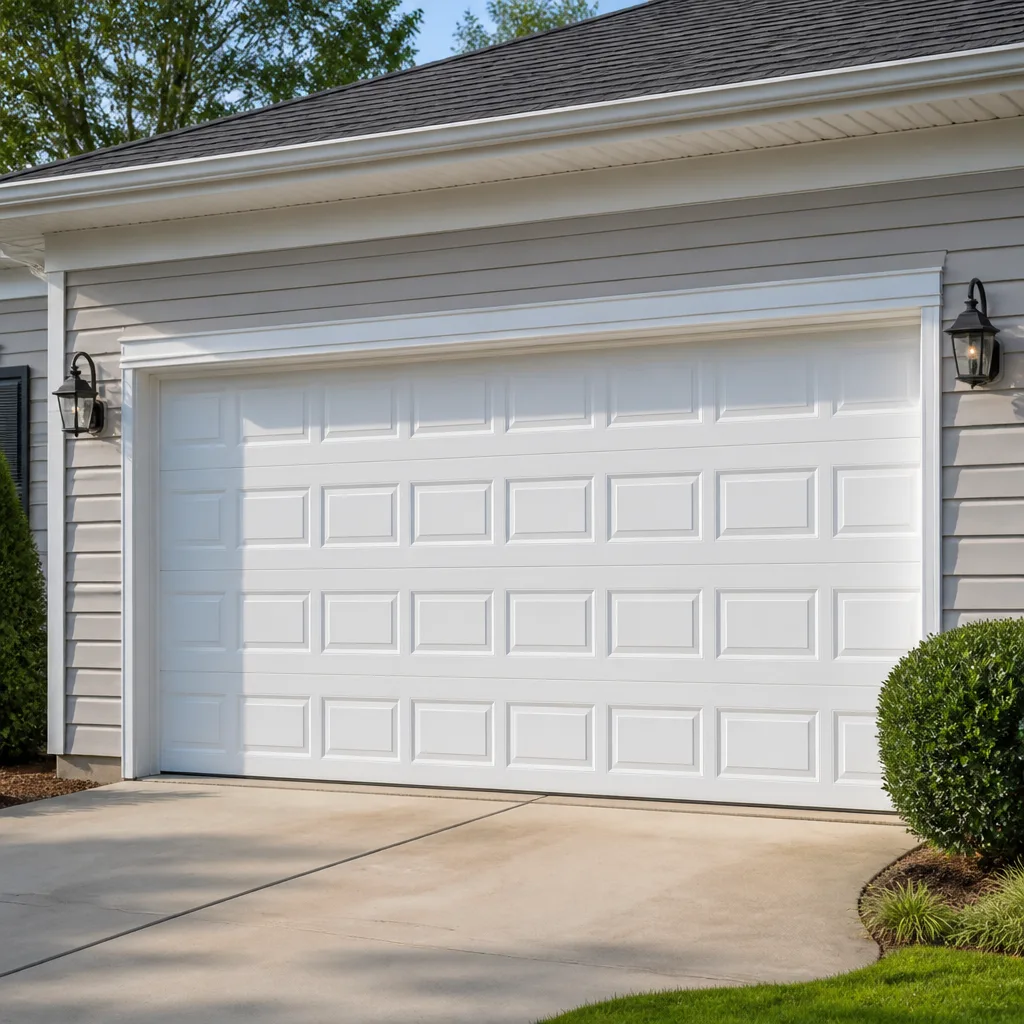 Raised-panel steel
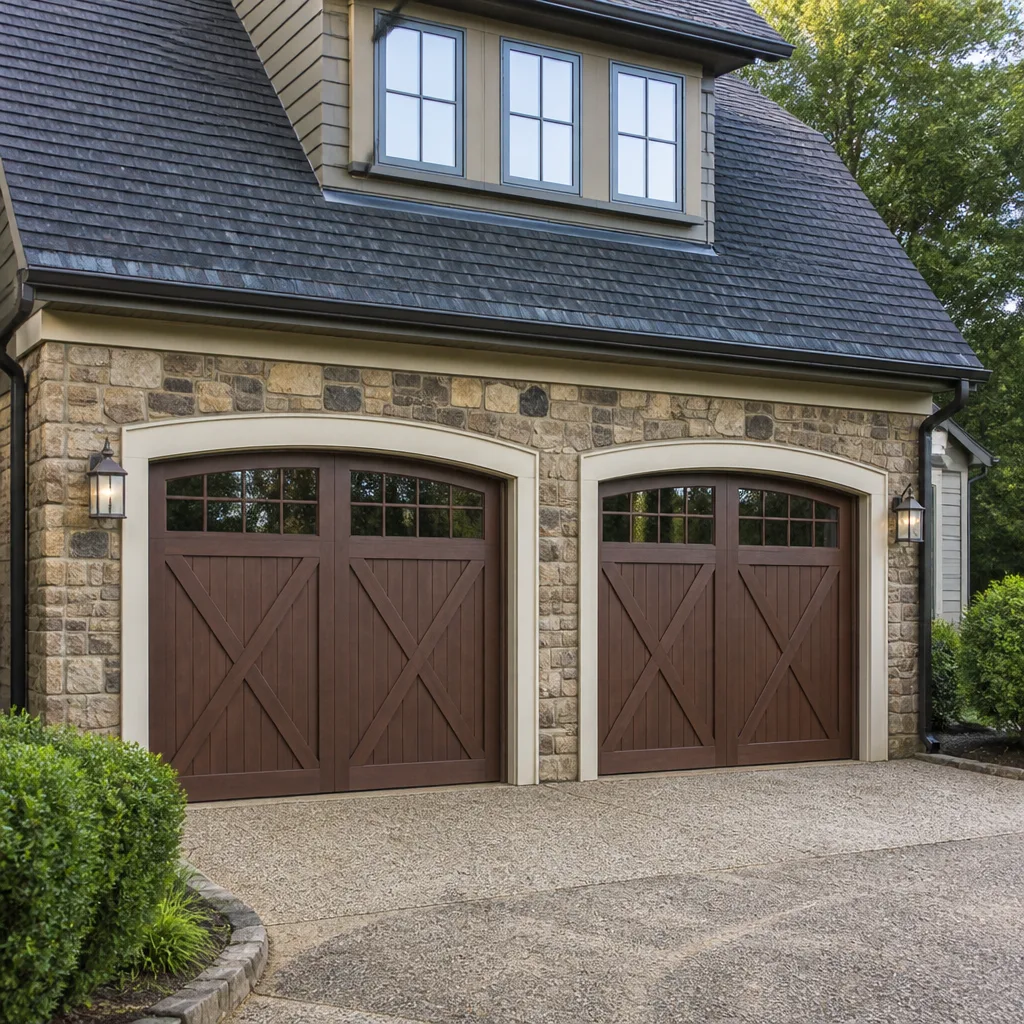 Carriage house
 Modern flush
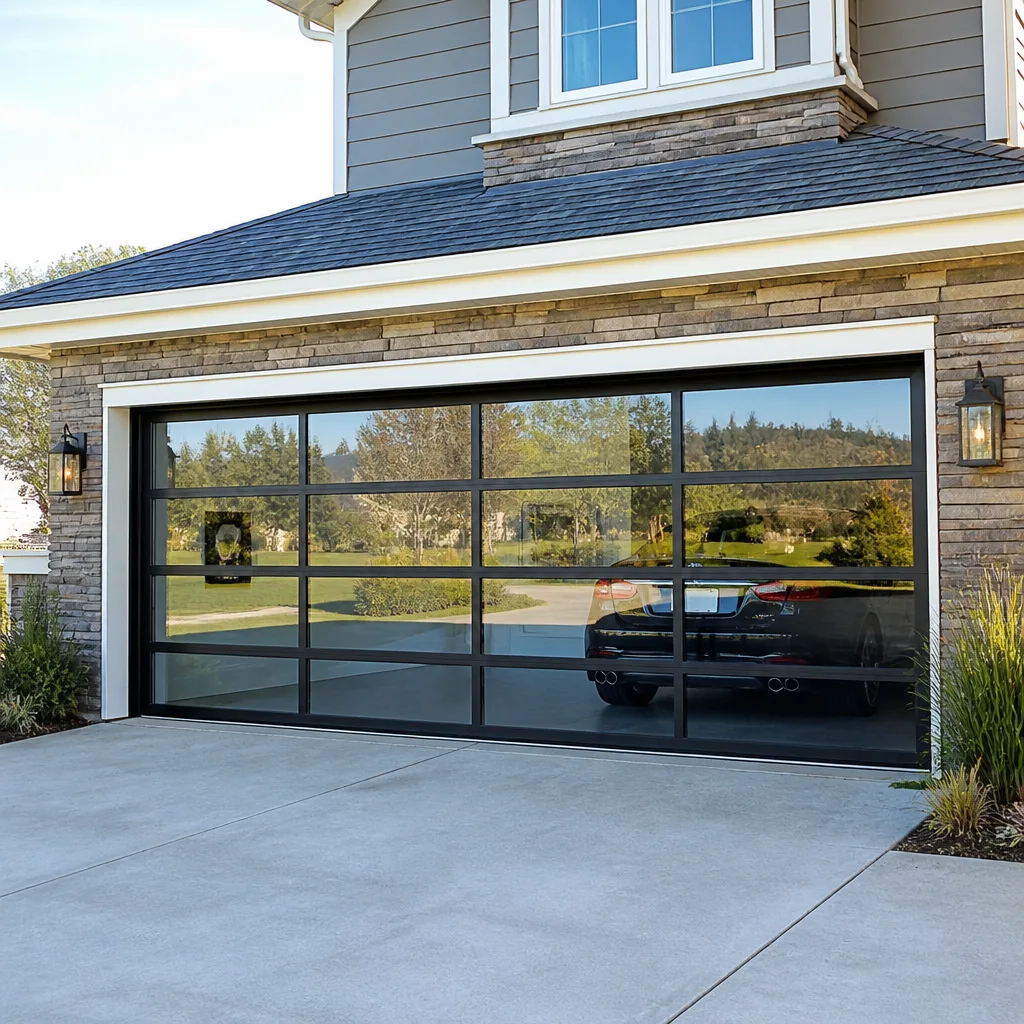 Full-view glass
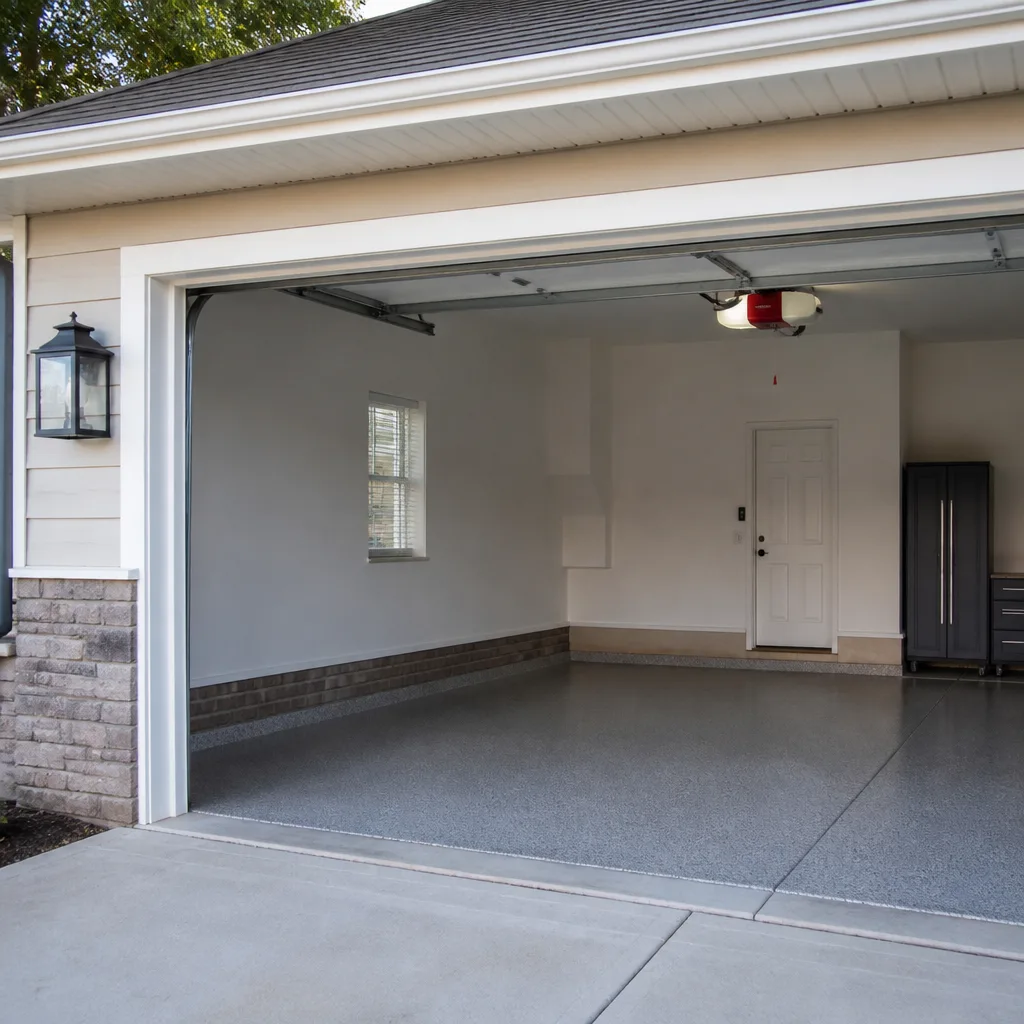 LiftMaster openers
 Chamberlain openers
Full 25-point door and opener safety check with every visit - springs, cables, rollers, tracks, and your LiftMaster or Chamberlain opener included
You get a price before we start. It does not change when the pro arrives.
Get your free estimateGarage Door Permits, Codes & Inspections in Burke, VA: What You Need to Know
If you sell your Burke home and the inspector flags an unpermitted garage door installation that required structural modification, you’re the one responsible for bringing it into compliance – even if a contractor did the work years ago. That’s the part most homeowners don’t see coming. The common assumption is that a garage door is a fixture, like a light switch, and that swapping one out is a simple repair that never touches the permit office. Most of the time that assumption holds. But there’s a narrower set of situations in Burke where it doesn’t, and those are predictable. This guide covers where Fairfax County actually draws the line, how Burke’s homeowners associations add a separate layer of approval, what a code-compliant installation requires in Virginia, and how to deal with work that was already done without a permit.
Quick Answer
In Fairfax County, replacing a garage door like-for-like usually doesn’t require a building permit, but work that involves structural modification to the opening – widening, raising the header, altering framing, or changing the door’s size or configuration – typically does. Opener installation generally falls under electrical permit rules rather than building permit rules. Burke homeowners should also check their HOA covenants, which run separately from county code and can approve or reject a door that the county would allow.
Styles & brands we work with
- Raised-panel steel
- Carriage house
- Modern flush
- Full-view glass
- LiftMaster openers
- Chamberlain openers
Table of Contents
- What Actually Requires a Permit in Fairfax County?
- Why Burke HOAs Add a Second Approval Layer
- The Real Estate Risk of Unpermitted Garage Door Work
- What a Code-Compliant Installation in Virginia Requires
- What an Inspector Actually Looks At
- How to Retroactively Permit Work Done Without One
- When the Permit Process Is Worth the Friction (and When It Isn’t)
What Actually Requires a Permit in Fairfax County?
The permit threshold comes down to one word: structure. Fairfax County treats a garage door replacement as routine maintenance when the door goes back into the same opening, at the same size, with the same general configuration. Pull the old door, hang the new one on the existing track and spring system, reconnect the opener – no permit. That’s the majority of what happens in Burke.
The calculus changes the moment the job stops being a swap and becomes a modification. The clearest cases:
- Widening or raising the opening. Cutting into the header or reframing the rough opening is structural work.
- Converting a single door to a double, or vice versa. That means new framing, new header, and often new foundation anchoring.
- Changing the door type in a way that alters load paths. A heavy solid-wood door replacing a lightweight hollow one may need header reinforcement.
- Adding a new opening where none existed. Obviously structural.
- Opener installation on a circuit that doesn’t exist yet. Adding a dedicated outlet or running new wire generally triggers electrical permit rules. Swapping an opener on an existing outlet usually doesn’t.
The reason this is easy to get wrong is that the “structural” line isn’t always obvious from the outside. A homeowner who watches a crew replace a Craftsman door on Monday and widen an opening for a bigger door on Wednesday might call both of them “installing a garage door” and assume the permit rules are the same. They aren’t. Our technicians have up to 12 years of experience, and in that time the clearest pattern we’ve seen is that structural modification is where the permit question stops being academic. If you’re unsure which category your project falls into, the fastest answer is a call to the Fairfax County building department with the specific scope – not a general question about “garage door permits,” but a specific description of what’s being changed.
If your project is a straightforward replacement, that’s the vast majority of what we see in Burke, and it’s what our garage door repair work covers most days.
Why Burke HOAs Add a Second Approval Layer
Fairfax County code and a Burke homeowners association covenant are two completely separate rulebooks, and the county has nothing to do with the second one. A door that the county would happily permit can still be rejected by an architectural review committee because it’s the wrong color, the wrong panel style, or the wrong material for the neighborhood.
Burke is full of established subdivisions with active HOAs, and the ones with architectural review requirements typically want some combination of the following before work starts:
- A written application describing the door style, material, and color, often with the manufacturer’s spec sheet.
- A visual match to the existing neighborhood palette. Many Burke associations have a specific approved range of colors and finishes.
- Sign-off from an architectural review committee before any work begins, not after.
- Notice to immediate neighbors in some associations, with a comment period.
- Confirmation that the door meets the association’s design guidelines for panel configuration and window options.
The delay this creates is real. An architectural review can add days or weeks to a project, and if you order a door first and get HOA approval second, you can end up with a door on your driveway that the association won’t let you hang. The order of operations matters: HOA approval first, then permit question, then order the door. That sequence alone prevents most of the headaches we hear about in Burke.
For homeowners dealing with an HOA, working with a specialist who already knows what the paperwork looks like helps. If you’re comparing door styles, the repair page on our site covers the panels and hardware side, and our installation work walks through what a typical new-door job includes.
The Real Estate Risk of Unpermitted Garage Door Work
Here’s where the abstract becomes concrete. Unpermitted structural work doesn’t usually cause a problem while you’re living in the house. It causes a problem when you sell the house, and the exposure lands on you, the seller, not on the contractor who did the work.
During a Burke home sale, a buyer’s inspector will typically note any visible modifications to the garage opening, especially if the door size or configuration doesn’t match what’s on the original plans or the county’s records. When that happens, a few things can follow:
- The buyer asks for documentation – the permit and inspection record for the modification – and if you don’t have it, the conversation shifts to whether they’ll accept a disclosure instead.
- The buyer’s lender may require proof that the work was permitted and inspected, since the modification affects the structure of the home they’re financing.
- A title company may flag the work in a title search if a prior open permit was recorded and never closed. That’s the specific trap: an open permit that gets discovered years later.
- Compliance becomes your problem. Whichever way the negotiation lands, the seller is the one on the hook to bring the work into compliance or disclose and reduce the price.
Notice what’s not in that list: the contractor’s liability. Once the work is done and the contractor has moved on, the paper trail belongs to the homeowner. If the permit was never pulled, there’s no record to find. The modification still exists. The burden of resolving it – permitting it retroactively or removing it – sits on the property owner at the time of the sale.
This is the part of the permit question that changes the decision. If a homeowner plans to stay in their Burke house for thirty years, the risk is abstract. If they might sell in the next five, it’s a real line item in the transaction.
What a Code-Compliant Installation in Virginia Requires
Whether or not a permit gets pulled, an installation in Virginia still has to meet the code requirements that apply to garage doors and the spaces they serve. These are not paperwork items. They’re safety items that inspectors and buyers will both care about.
The two categories that matter most:
Fire Separation Between Garage and Living Space
An attached garage in Burke sits next to living space, and the code treats the wall and door assembly between the two as a fire separation. The garage-to-house door – not the overhead garage door, the pedestrian door – has to meet fire rating requirements and self-close and self-latch. The wall itself has to be constructed to separate the spaces. If a prior owner hung a hollow-core door or a door that doesn’t latch on its own, that’s a code gap that shows up in inspections and in buyer walkthroughs.
Opener Safety Standards
Modern openers have to be equipped with required safety features, including some form of entrapment protection – the photo-eye system or the pressure-sensing reversing feature. These aren’t optional features you can skip to save money. They’re the reason a door reverses instead of crushing what’s under it, and a modern opener that doesn’t have one functioning properly is not a compliant installation. If your opener was installed on a Craftsman or LiftMaster unit in another decade and the photo-eyes aren’t mounted correctly, that’s a real issue worth fixing even if no inspection is on the calendar.
The other piece of the puzzle: a door installation should match the manufacturer’s installation instructions, including the anchoring requirements and the spring system design. Torsion and extension spring systems have specific load capacities, and the wrong spring for the door weight is a hazard, not a nuisance. That’s the reason we treat garage door spring repair as a trained professional job and a named service. Springs store enormous energy even when the door is closed. A spring that fails while someone is standing under it, or while a homeowner is attempting to adjust it, can cause serious injury. If your door has a broken spring, don’t try to lift the door manually to test it. Call a trained professional.
Opener problems, especially photo-eye or safety-reverse issues, are dangerous in a quieter way because they don’t look broken until a child or pet tests them. Our garage door opener repair service covers safety-reverse testing as part of any opener work, because the standards matter more than the repair bill.
What an Inspector Actually Looks At
If a permit does get pulled on structural work, the inspection is narrower than most homeowners expect. It’s not a general garage door quality audit. It’s a check of the specific items that were permitted.
A typical inspection sequence for a structural garage door modification looks like this:
- Rough-in inspection. The county inspector verifies the framing, header, and rough opening before the door goes in. This is where structural issues get caught – a header that isn’t sized for the load, framing that doesn’t meet the approved plans.
- Door and hardware installation. After the door is hung, the inspector verifies the anchorage of the track and the door to the framing and confirms the door operates as specified.
- Opener safety verification. Photo-eyes, the reversing function, and the safety-reverse test.
- Final inspection and permit closure. The permit gets signed off and closes out in the county’s records.
What the inspector is not checking: the color of the door, the panel style, the brand of the opener, or the neighborhood aesthetic. Those are HOA items. The county cares about structure and safety; the HOA cares about appearance. If you’re going through both processes in Burke, expect two different sets of questions and answer them separately.
The important takeaway from this list is that the inspection stages happen in a specific order, and they require the work to be visible at each stage. That’s why pulling a permit late – after the door is fully in and the walls are closed – can be harder than pulling it up front. It’s also why contractors who care about the process will insist on scheduling the inspections even for a small modification.
How to Retroactively Permit Work Done Without One
Unpermitted structural work can usually be permitted after the fact, but the process is different from the front-end permit process, and it requires honesty about what exists. The general approach in Fairfax County – and the approach to confirm with the building department for your specific case – looks like this:
- Call the county building department first. Describe the work that exists (door size, opening modification, when it was done if known) and ask what step you need to take. The specifics matter: a door swap typically has no retroactive requirement, while an opening modification typically does.
- Determine whether a permit is required retroactively. Not every unpermitted job needs one. A straight swap likely doesn’t. A structural modification likely does. The county tells you which.
- Pull the permit and be prepared for an inspection of completed work. The inspector may require that portions of the work be opened up or exposed so the structural elements can be verified. This is where retroactive permitting gets expensive – a job that required pre-inspection at the framing stage may require removing some of what was installed.
- Bring the work into compliance if it’s found deficient. If the framing isn’t adequate or the door doesn’t meet the required standards, the retrofit work becomes part of the job.
- Close the permit. Once the inspector signs off, the work is on record. This is the deliverable you actually want, because it’s what a buyer’s inspector will look for years later.
One practical note: the county can look up prior permits. It’s much easier to pull a permit on work you know is unpermitted and get ahead of it than it is to be surprised by it during a sale. If you suspect a prior owner did structural work in your Burke home, a call to the building department before you sell is the fastest way to know what you’re dealing with.
When the Permit Process Is Worth the Friction (and When It Isn’t)
Most Burke garage door jobs don’t need a permit, and most homeowners shouldn’t spend a day at the county office for a like-for-like replacement. Pulling a permit on a job that doesn’t require one mostly costs time and filing fees, and it doesn’t add anything the buyer can use.
The cases where the permit is worth it:
- Any structural modification. Widening, raising, reframing, or adding an opening. The permit protects you at sale and ensures the work is inspected for structure.
- New opener circuits or any new electrical work. Electrical permit rules apply, and pulling one is the difference between a documented circuit and an undocumented one.
- Work that was done without one that might now be discovered. If you’re within a few years of selling a Burke home, retroactive permitting before the sale is usually cleaner than disclosing and negotiating.
- Any job you suspect a prior owner did that doesn’t match the county’s records. The permit doesn’t cure existing deficiencies, but it does create a record that a buyer’s inspector can actually work from.
The cases where it usually isn’t:
- Like-for-like door replacement with no opening modification.
- Opener replacement on an existing outlet and existing wire.
- Routine garage door repair work – panels, rollers, track adjustment, spring replacement – none of which touches structure.
The rule of thumb that works most of the time: if the door goes back in the same hole, at the same size, on the same framing, it’s a repair. If the hole or the frame changes, it’s a modification.
Common Mistakes to Avoid
- Assuming the contractor handles the permit automatically. Unless it’s in writing and in the contract, don’t assume it’s being pulled. Ask the question explicitly before work starts.
- Ordering a door before HOA approval. A door the county will permit but the Burke neighborhood’s architectural committee rejects is a door you can’t hang. HOA first, then order.
- Pulling the permit after the work is done. The inspection requires the structural elements to be visible. Once they’re covered, retroactive permitting can require removing finished work.
- Confusing county code with HOA rules. They’re separate processes with separate approvals. Both can be required, and they’re not interchangeable.
- Bypassing a permit to save a filing fee. In a structural modification, the fee is trivial compared to what an unpermitted job can cost at sale time.
- Ignoring an open permit discovered in a title search. An old permit that was never closed is a real problem at sale. Call the county, get it closed, or file a new one.
- Replacing a spring without checking its post-replacement setting. This is unrelated to the permit question but it belongs on the mistake list, because an underrated spring is a hazard. Springs require trained handling; don’t try to tune one by trail and error.
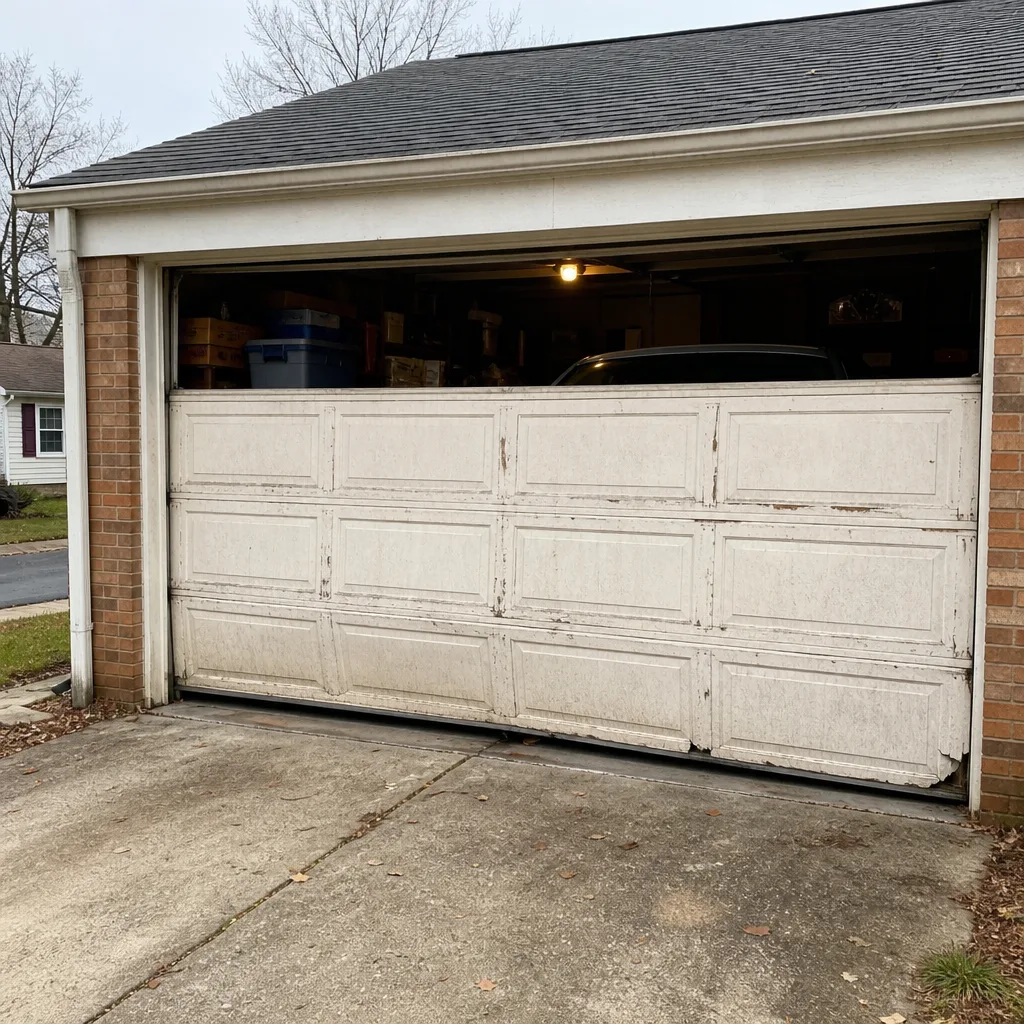
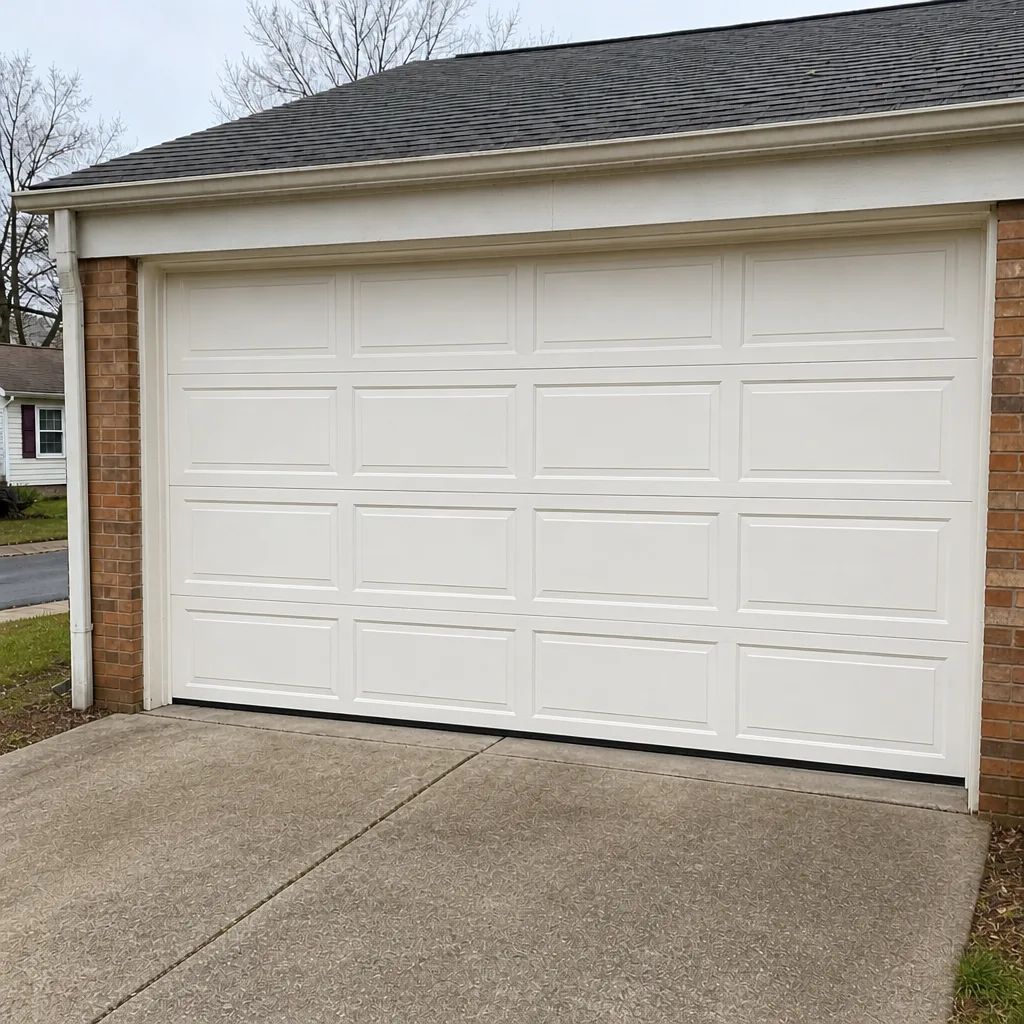
See the difference
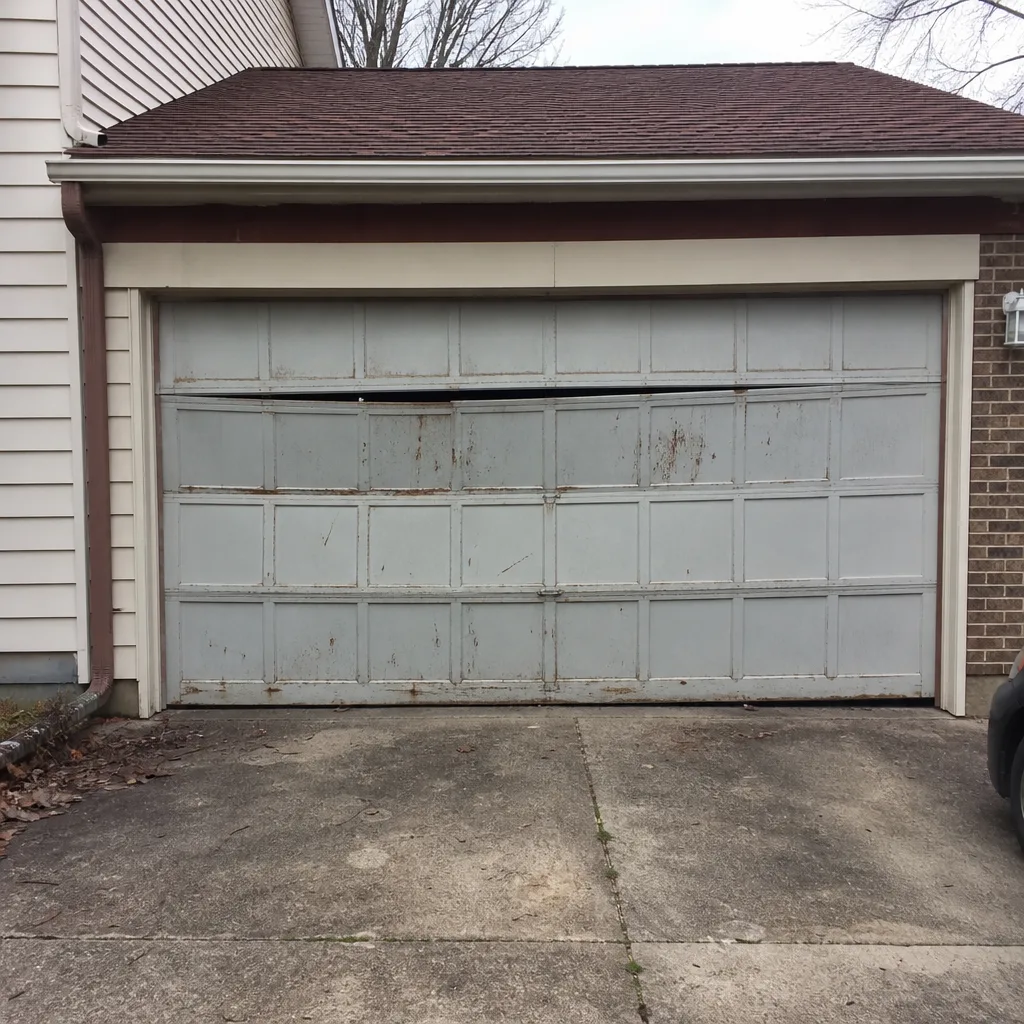 Before
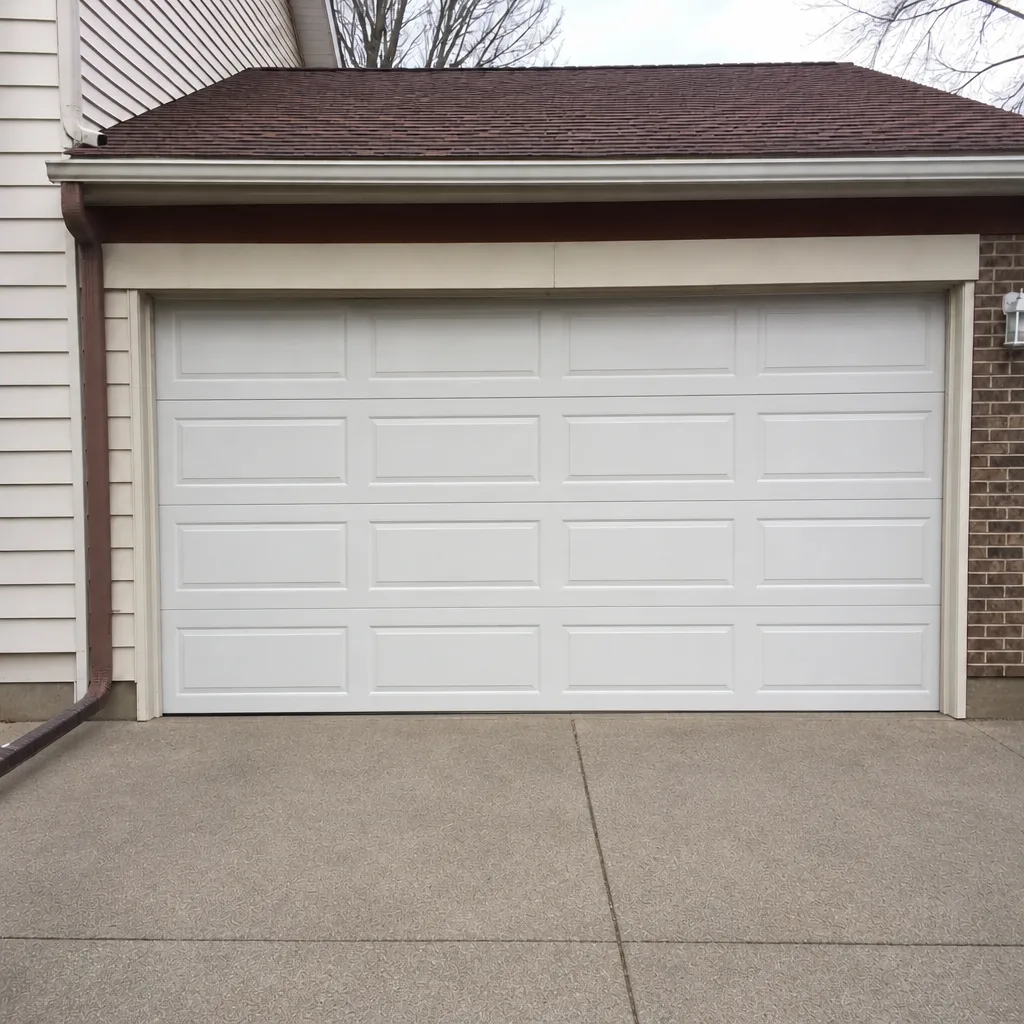 After
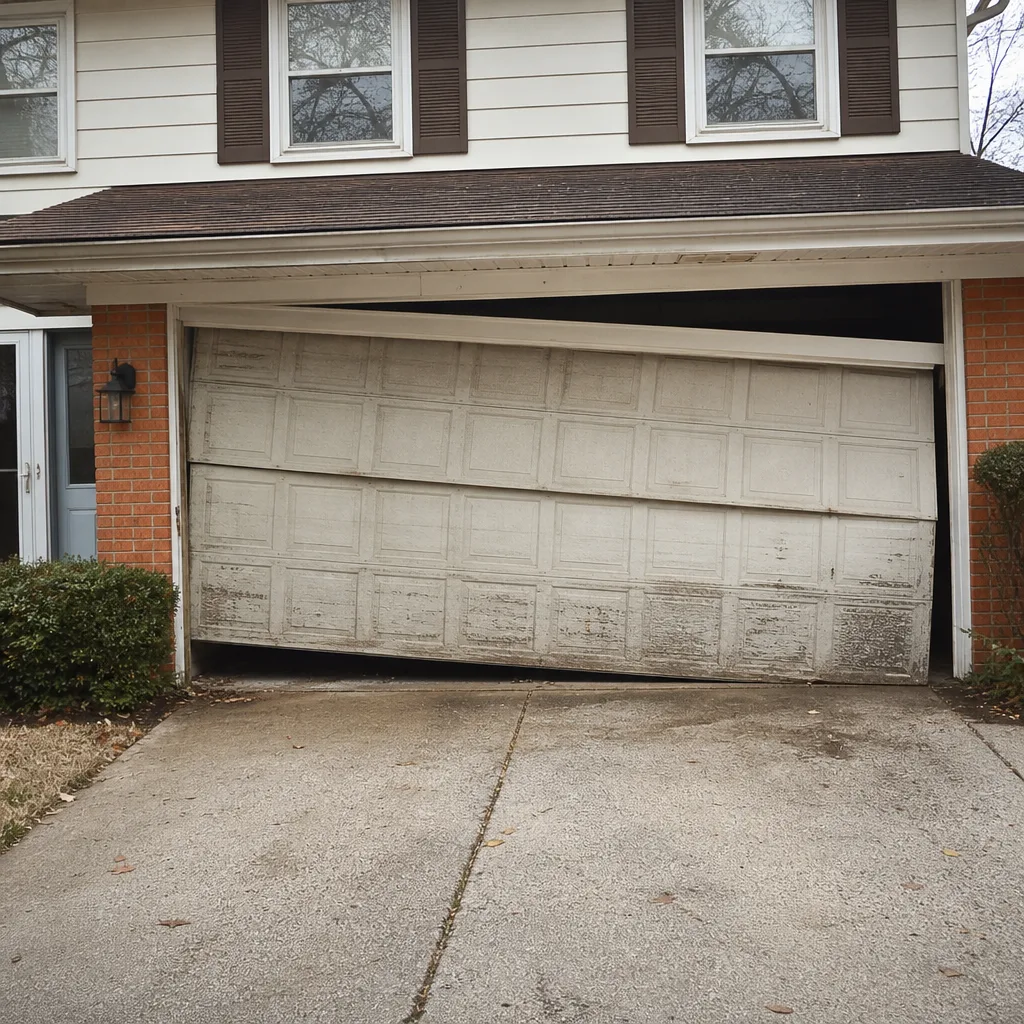 Before
 After
 Before
 After
When to Call a Professional
Some parts of the garage door workflow are homeowner projects. Adding a photo-eye to an existing opener is not one. Replacing a torsion spring, reframing an opening, adjusting a door that won’t sit level after a replacement, and diagnosing why a Raynor or Chamberlain opener runs but won’t move the door – those are trained jobs, and the safety stakes aren’t theoretical. The spring system alone holds enough energy that an adjustment error can seriously injure the person making it. If your door is stuck open, won’t close, or is making a sound you’ve never heard before, that’s time to call. If you’re planning an opening modification and want the structural scope walked through before you commit, that’s also a call. Burke Garage Door Repair Pros offers free estimates in Burke – call (888) 340-6306. We work on the brand you already have, and we’re garage door specialists, nothing else.
Frequently Asked Questions
Usually no. Fairfax County typically doesn’t require a building permit for a like-for-like garage door replacement – same opening, same size, same framing – and that’s what most Burke jobs are. You do generally need a permit when the opening itself is modified, widened, raised, or reframed, because that’s structural work. Opener installation typically falls under electrical rules rather than building rules. When in doubt, call the county building department with a specific description of the work.
It depends on whether new electrical work is involved. Replacing an opener on an existing outlet and existing wiring usually doesn’t trigger a building permit. Adding a new circuit or a new dedicated outlet generally falls under electrical permit rules. The same distinction applies to a Chamberlain or LiftMaster swap versus new construction around the opener.
It can. The specific risk is a structural modification that a buyer’s inspector flags as not matching county records. When that happens, the burden of resolving it usually falls on you as the seller, regardless of who did the work or when. A buyer’s lender may also require proof the work was permitted and inspected. If the modification wasn’t structural, the risk is much lower. If it was, having the permit record before sale is far simpler than negotiating your way out of it.
HOA covenants run separately from county code, and they can approve or reject a door based on appearance criteria that the county doesn’t care about. Many Burke associations have architectural review requirements for color, panel style, and material. Get the HOA approval before you order the door. A door that passes county code and fails the association’s design guidelines is still a door you can’t hang.
The work is still your responsibility to resolve as the current owner. The first step is a call to the Fairfax County building department to describe what exists and ask whether a permit is needed now. Some jobs get permitted retroactively without significant demolition; others require portions of the work to be exposed for inspection. Starting that conversation before a sale is far better than discovering it during one.
They’re separate. Spring replacement is a repair – it doesn’t require a permit because it doesn’t touch structure. The permit question only attaches to structural work and, separately, to new electrical work. That means a Burke homeowner can have a broken spring replaced, a panel swapped, and a LiftMaster opener repaired without ever touching the permit process. If you’re planning an opening modification at the same time as a repair, the permit applies to the modification only.
The Bottom Line
Fairfax County’s permit threshold for garage doors is narrower than homeowners fear and real where it matters. A like-for-like replacement usually doesn’t need a permit. A structural modification usually does. A new opener on existing wiring usually doesn’t; new electrical work usually does. Burke HOAs add a second layer that runs entirely separate from county code and can reject a door the county would allow – get that approval before ordering. And the exposure for unpermitted structural work sits with the homeowner at sale time, not with the contractor who did the work. If a prior owner left a modification behind, closing the loop before you list is far simpler than discovering it in a buyer’s inspection report. If you’re planning a door installation in Burke, start with the HOA, confirm the permit question with the county, and then get a written estimate before any work begins. That sequence prevents nearly every problem in this guide.
For a free written estimate on installation, garage door opener repair, spring work, or emergency service when it can’t wait, call Burke Garage Door Repair Pros at (888) 340-6306. We work on LiftMaster, Chamberlain, Genie, Clopay, Amarr, Wayne Dalton, Craftsman, and Raynor equipment, and we handle spring, opener, panel, or full door with one specialist company. Our technicians have up to 12 years of experience, and we’re happy to walk through the permit and HOA question with you before you commit to anything.
Written by the team at Burke Garage Door Repair Pros.