Last updated November 23, 2026
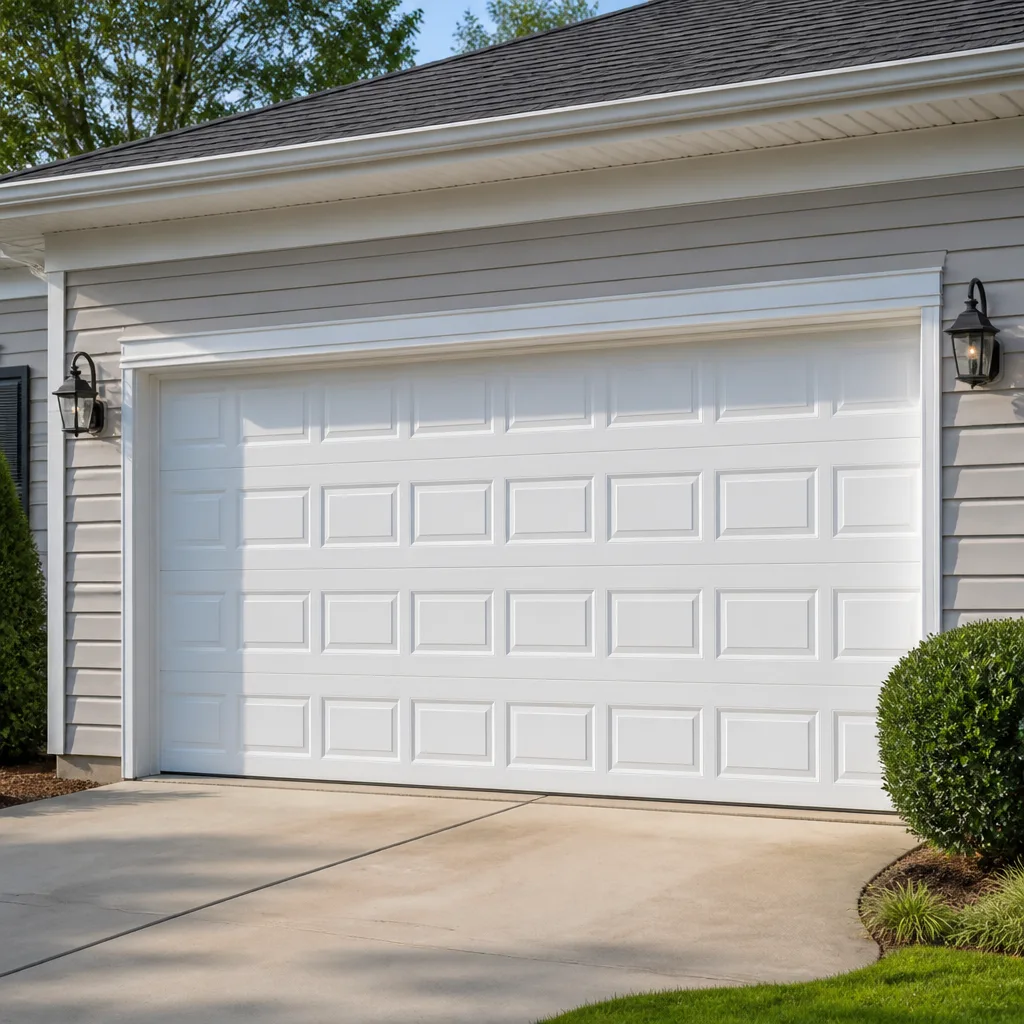 Raised-panel steel
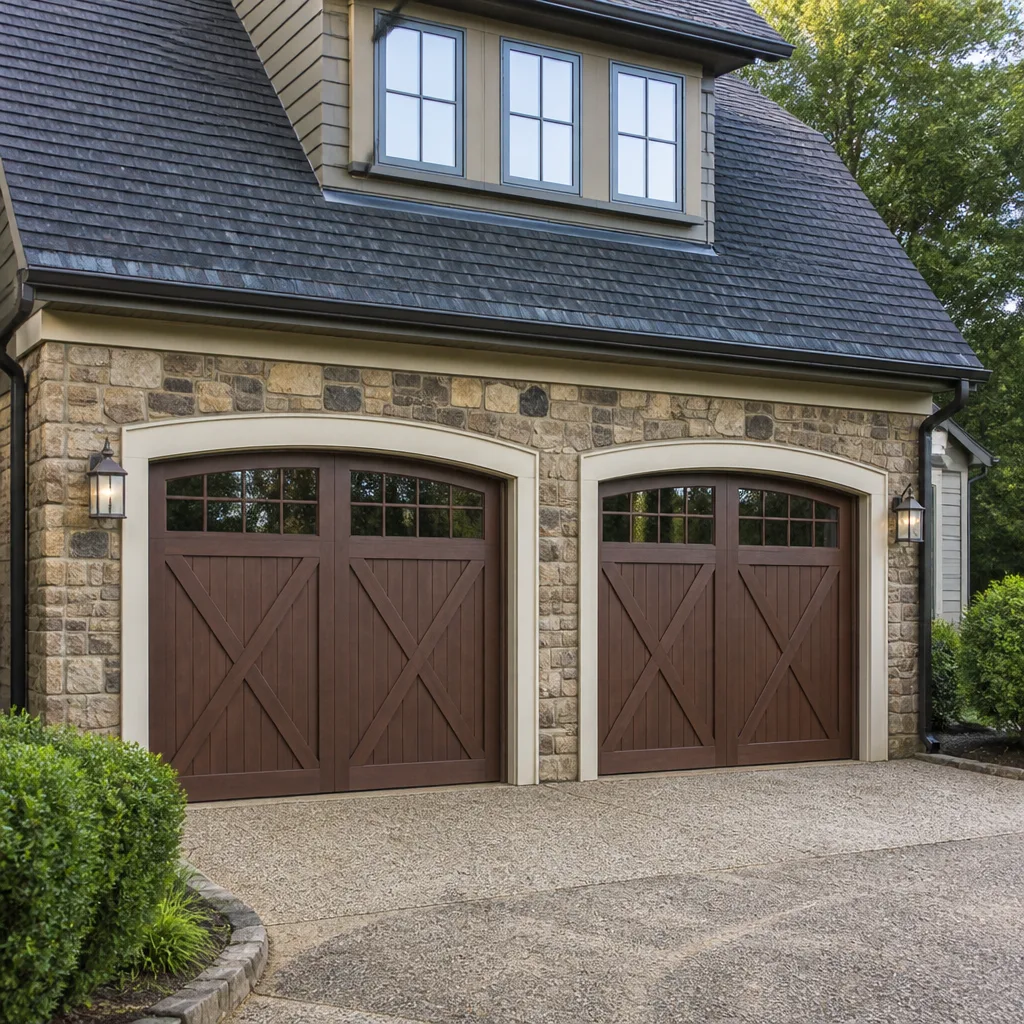 Carriage house
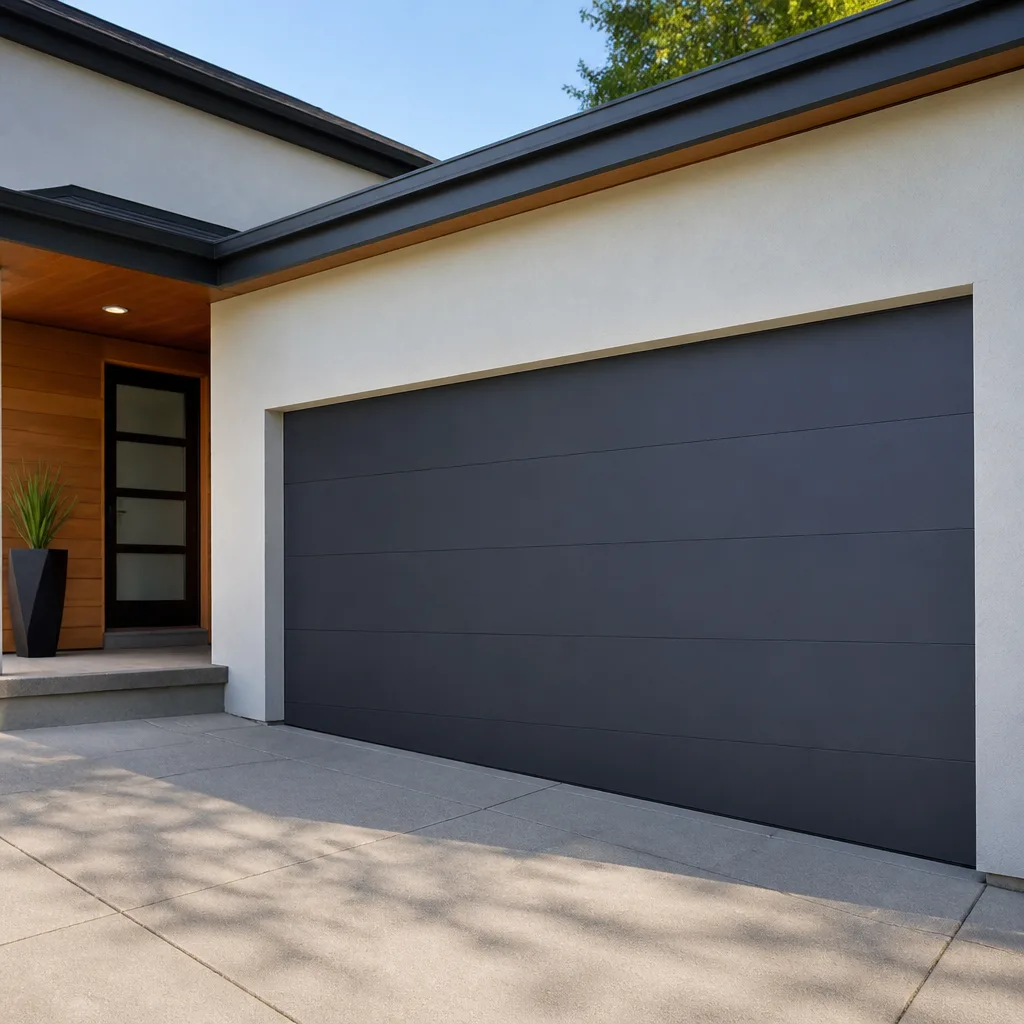 Modern flush
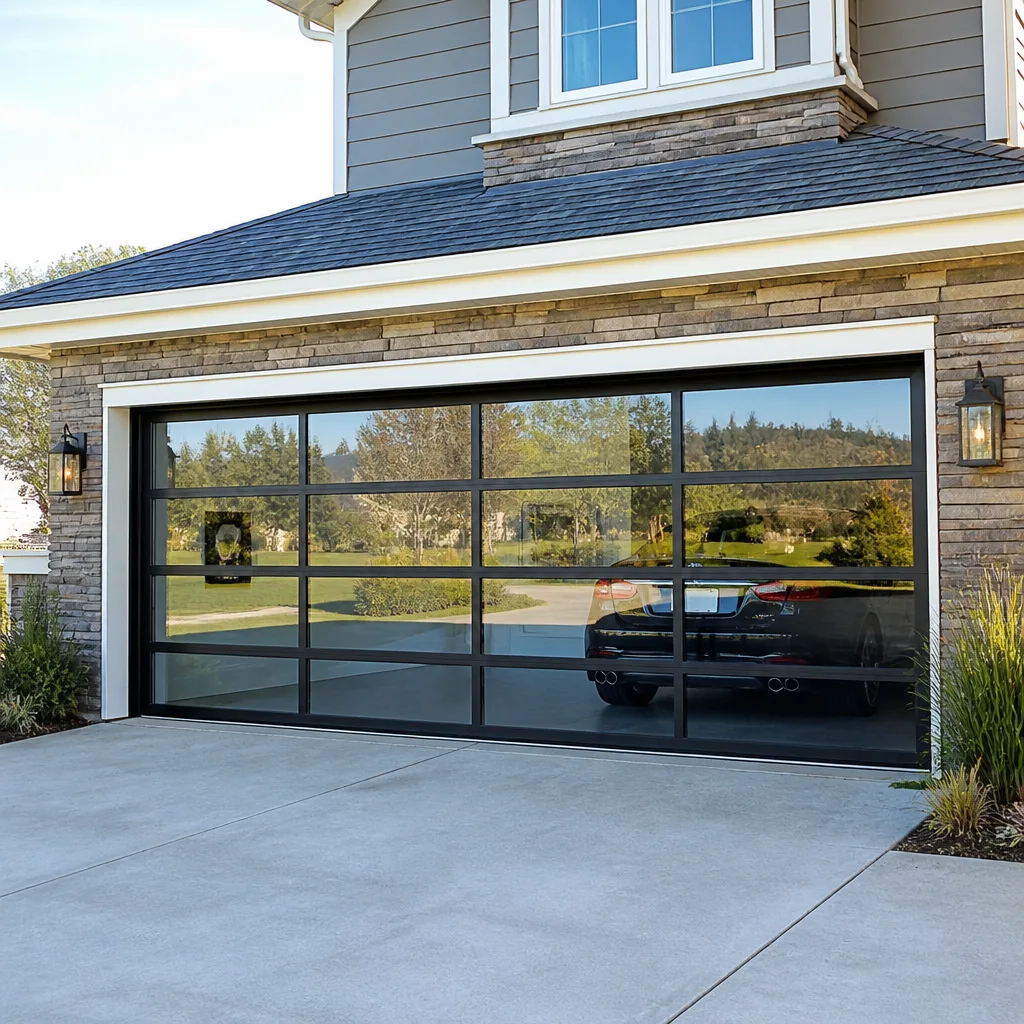 Full-view glass
 LiftMaster openers
 Chamberlain openers
Full 25-point door and opener safety check with every visit - springs, cables, rollers, tracks, and your LiftMaster or Chamberlain opener included
You get a price before we start. It does not change when the pro arrives.
Get your free estimateGarage Door Emergency Preparedness Guide for Burke Homes
Most people assume the garage door will open when the power goes out. It won’t. And here’s the part that surprises Burke homeowners: during Fairfax County power outages, calls to garage door companies climb sharply within the first two hours, and nearly all of them come from people who either can’t find the manual release cord or own a door whose spring is already broken, which makes manual operation impossible anyway. A dark garage is one problem. A car trapped behind a door you can’t lift is another.
This guide is written to keep you out of that second situation. We’ll walk through how to release your opener by hand, why a broken spring changes everything, how to secure a door once it’s up, and the two mechanical checks that tell you whether your door will work manually before the storm arrives. We’re Burke Garage Door Repair Pros, and this is the preparation work we’d do on our own homes.
Quick Answer
To open a garage door without power, pull the red manual release cord hanging from the opener trolley, then lift the door by hand and prop or secure it before driving out. If your door has a broken spring, don’t attempt it: a door with a failed spring can weigh well over a hundred pounds and will not stay up on its own. Have the number for emergency service ready and call (888) 340-6306.
Styles & brands we work with
- Raised-panel steel
- Carriage house
- Modern flush
- Full-view glass
- LiftMaster openers
- Chamberlain openers
Table of Contents
- How to Release Your Garage Door by Hand
- Manual Release by Opener Brand: LiftMaster, Chamberlain, Craftsman, and More
- Why a Broken Spring Makes Manual Operation Dangerous
- How to Secure a Manually-Opened Door
- Pre-Storm Checklist: The Two Checks That Matter Most
- When to Call for Emergency Service vs. When to Wait
- Common Mistakes to Avoid
- Frequently Asked Questions
How to Release Your Garage Door by Hand
Every automatic garage door opener sold in the last several decades includes a manual release. The release exists so you can operate the door when the motor has no power. It’s a simple mechanism, but it’s buried near the ceiling on the trolley that rides along the rail, and if you’ve never looked for it, finding it in the dark is genuinely difficult.
Here’s the sequence to follow:
- Locate the release cord. It’s usually a red-handled rope hanging from the trolley carriage on your opener rail, somewhere above the center of the door. On many models it hangs down about six feet, within reach from the floor.
- Make sure the door is fully closed before you pull the cord. Releasing a partially open door can send it crashing down.
- Pull the cord straight down with steady pressure. You should feel the trolley disengage from the carriage. If it’s stiff, a firm pull is fine.
- Lift the door by hand. Use the bottom section or the lift handle. Lift smoothly, not in a yank.
- Push the door all the way up until it’s fully open, and hold it for a beat to confirm it stays. Then secure it (more on that below).
One detail that matters: don’t pull the cord at an angle and don’t yank it. The trolley is designed to disengage cleanly with a straight pull. Angled or jerky pulls can bend the release arm or the trolley itself, and a bent trolley is a repair, not a troubleshooting step. This is the single most common mistake we hear about from Burke homeowners after an outage.
If the release mechanism is stuck or the cord is missing, don’t force anything. That’s a case for a professional visit, not a pry bar. And once the power returns, re-engage the trolley by following the same steps in reverse: pull the door down, then run the opener once so the carriage reconnects.
Manual Release by Opener Brand: What to Expect
The manual release works the same way on every major brand, but the physical location and feel of the mechanism varies. In Burke homes, the openers we see most often are LiftMaster, Chamberlain, and Craftsman, with Wayne Dalton and Raynor showing up regularly too. If you know which brand you have, you’ll know where to look.
- LiftMaster and Chamberlain: The release cord typically hangs from a red handle attached to the trolley. On belt-drive and chain-drive models alike, the disengagement happens at the trolley. Straight pull, no angle.
- Craftsman: Similar arrangement. Some older Craftsman openers have a release lever instead of a cord; the lever slides along the rail. Same principle: disengage at the trolley, don’t force the lever beyond its stop point.
- Wayne Dalton: On their door and opener combinations, the release is usually a cord just like the others. Wayne Dalton doors themselves tend to be lighter, which is a small mercy when you’re lifting by hand.
- Raynor: Raynor openers and doors are common in this part of Northern Virginia. Release location is the trolley rail as usual, but check the manual if the cord isn’t obvious, because some Raynor models route it slightly off-center.
We work on the brand you already have. There’s no reason to swap an opener just because a release mechanism is unfamiliar, and no pressure from us to do so. If you’re not sure what your opener is, take a photo of the housing unit where it mounts to the ceiling. That label tells a technician nearly everything.
The one mistake that damages the trolley regardless of brand: pulling the cord while the door is halfway up. It seems like it should work the same way, but the tension is different and the trolley can slam into the carriage. Always release with the door fully down.
Why a Broken Spring Makes Manual Operation Dangerous
Here’s the fact that changes the whole plan: the springs do most of the lifting. Not the opener, not your arms. A torsion or extension spring is wound to counterbalance the door’s weight. When the spring is intact, a door that weighs a couple hundred pounds feels like it weighs maybe ten. When the spring is broken, you’re lifting the entire weight of the door.
And it gets worse. A door with a broken spring has no counterbalance, meaning it won’t stay up once you’ve lifted it. If your hand slips, it comes down. Hard. A car hood or a person standing under it is in real danger.
So the rule is simple: if you suspect a broken spring, do not attempt to lift the door by hand. Signs of a broken spring include:
- A loud bang from the garage, often described as sounding like a gunshot
- A gap visible in the torsion spring above the door (one coil separated from the rest)
- The door is heavy to lift even a few inches, or won’t lift at all
- The opener strains, or the door lifts unevenly and looks crooked
This is where we get quiet about DIY. Spring work is the most dangerous job in garage door repair, and it’s not a matter of being careful. The tension stored in a wound torsion spring is enormous, and the correct tools are not the ones in a typical homeowner’s garage. Our technicians handle garage door spring repair as a routine call, and we’d rather you call us at 11pm than see you on a ladder with a winding bar.
If the spring is broken and you need out of the garage, the alternative is a service call. No amount of pulling on the cord will help, because the cord only releases the opener, not the weight.
How to Secure a Manually-Opened Door
You’ve released the trolley and lifted the door. Now you’re going to drive the car out. This is the part where people get hurt: they lift the door, get in the car, and the door quietly comes back down while they’re underneath it. That happens because once lifted by hand with the opener disengaged, nothing holds the door in the up position except friction and hope.
So secure the door before anyone moves a vehicle. Options, in order of preference:
- Use a locking bar or C-clamp on the door’s vertical track, right above a roller, on both sides. A vice grip clamped to the track just above the bottom roller is the standard field method.
- If the door has a manual slide lock (common on older Wayne Dalton and Raynor doors), slide it into the track once the door is up.
- If you don’t have a clamp, prop the door on both sides with something rigid and heavy, and don’t walk under it. This is a last resort, not a plan.
A few things that are not secure: a broomstick, your shoulder, “it feels like it’s holding.” None of those are a plan. A door that comes down unexpectedly on a vehicle is a repair bill. On a person, it’s worse.
After you’ve driven out and re-entered, close the door all the way down before re-engaging the opener. Don’t try to reconnect the trolley with the door up; the carriage won’t seat properly and you can bend the release arm. If you’ve bent it already, that’s garage door repair territory, not a wait-and-see situation.
Pre-Storm Checklist: The Two Checks That Matter Most
Before the next storm season arrives in Burke, you can determine whether your door will work manually with two quick checks. Neither one takes more than a few minutes, and both are done with the door closed and the power on.
Check one: the balance test. Release the trolley using the manual cord, then lift the door by hand about halfway up and let go. A properly balanced door stays put or drifts slowly. A door that drops means the spring tension is off, and a storm is a bad time to find out. Re-engage the trolley and get it looked at before the weather turns.
Check two: the release test. Pull the release cord and confirm the trolley actually disengages. Not just that the cord is there, but that it works. Some cords seize from lack of use, and some trolleys are bent from a long-ago bump that nobody noticed. Pull straight down, feel the click, then re-engage. If you can’t get it to release and re-engage cleanly, book a service call now rather than later.
The rest of the checklist is easy:
- Know where your manual release cord is, and know how to reach it in the dark
- Keep a working flashlight in the garage, ideally one you can grab from outside the door
- Have a C-clamp or locking bar stored near the door
- Note your opener brand and model (a photo of the ceiling label works)
- Confirm your outdoor keypad or emergency release key works, if your door has one
We’ve seen plenty of Burke doors where the release cord was tucked behind a shelf or a bike rack, or had been pulled once and never re-engaged properly. That’s the kind of thing a five-minute check catches.
When to Call for Emergency Service vs. When to Wait
The garage door is the largest moving object in most Burke homes, and how you handle a failure depends on whether the problem is a power outage or a mechanical failure. Those two cases call for different answers.
Wait it out if:
- Power is out but the door itself is balanced and works manually. You can release the trolley, lift the door, secure it, and get your car out. This is the outage case, and it’s manageable.
- The opener is unresponsive but the door lifts by hand with reasonable effort. That’s often a power or remote issue, which can usually wait until the outage resolves.
Call for emergency service if:
- A spring is broken, or you suspect one is. The door won’t safely operate manually, and it won’t operate at all on the opener. Emergency garage door service exists for exactly this situation.
- The door is stuck partway up or down and won’t move. A partially open door means your house is open to the street.
- The door won’t close all the way, or closes and immediately reopens. Either way, the garage is unsecured.
- The door is crooked, off its track, or making a grinding noise. Operating it further can make it worse.
- You need to get a vehicle out and can’t safely lift the door.
When you call, have this information ready. It gets a technician to your door faster:
- Your opener brand and model if you know it (LiftMaster, Craftsman, Raynor, etc.)
- What the door is doing right now (stuck, spring broken, won’t respond)
- Whether the spring looks intact or has a visible gap
- The door’s material and rough size (single or double car)
- Whether a vehicle is trapped or the garage is currently unsecured
If your opener itself has failed, that’s a different conversation, and one we cover separately in garage door opener repair. If it’s a mechanical door issue, emergency service is the call. Either way, we’d rather hear from you than not.
See the difference
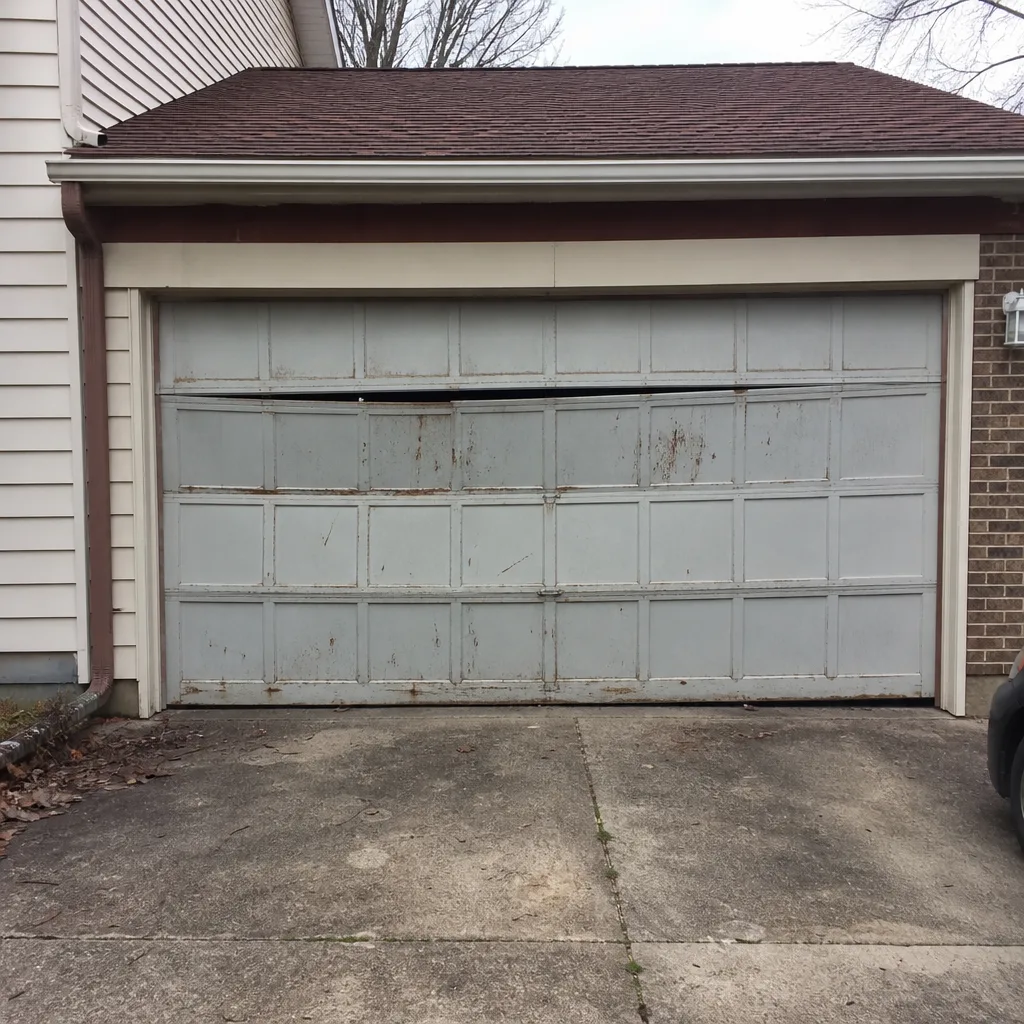 Before
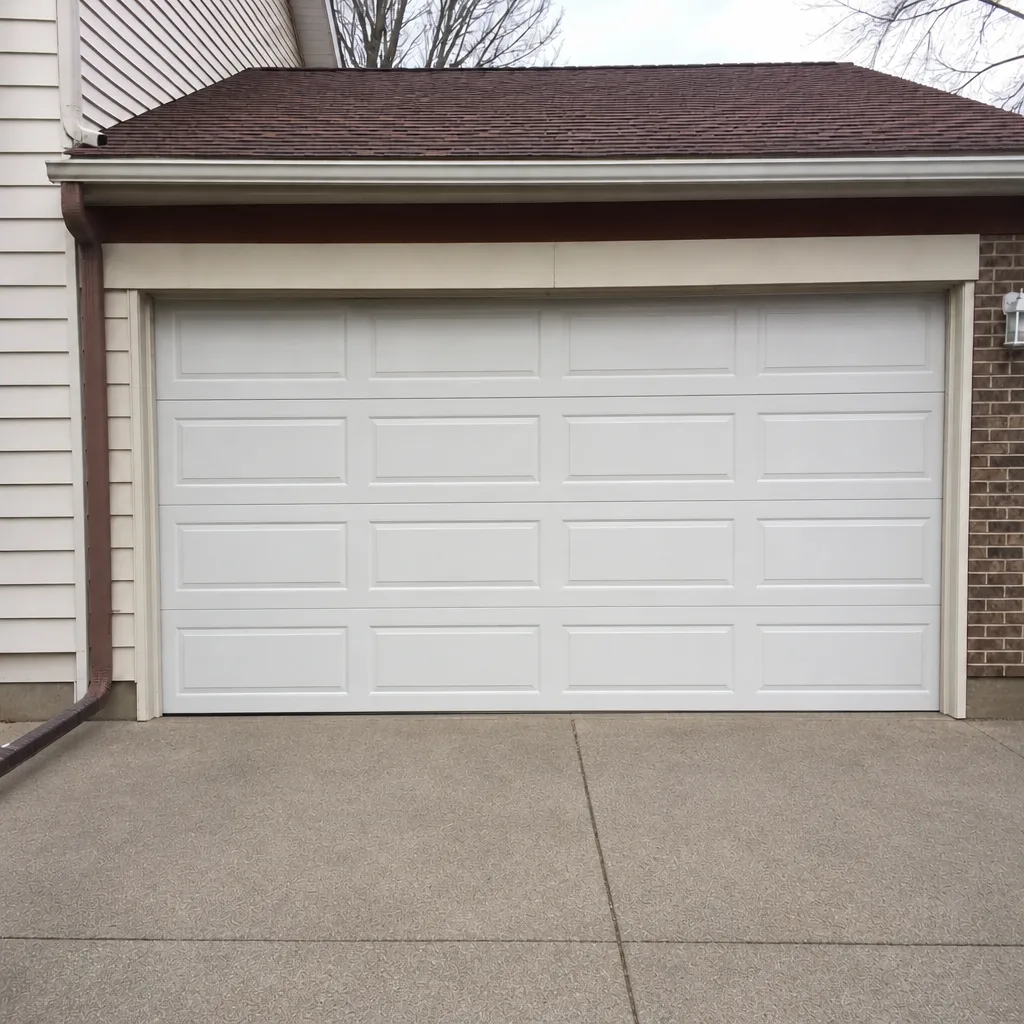 After
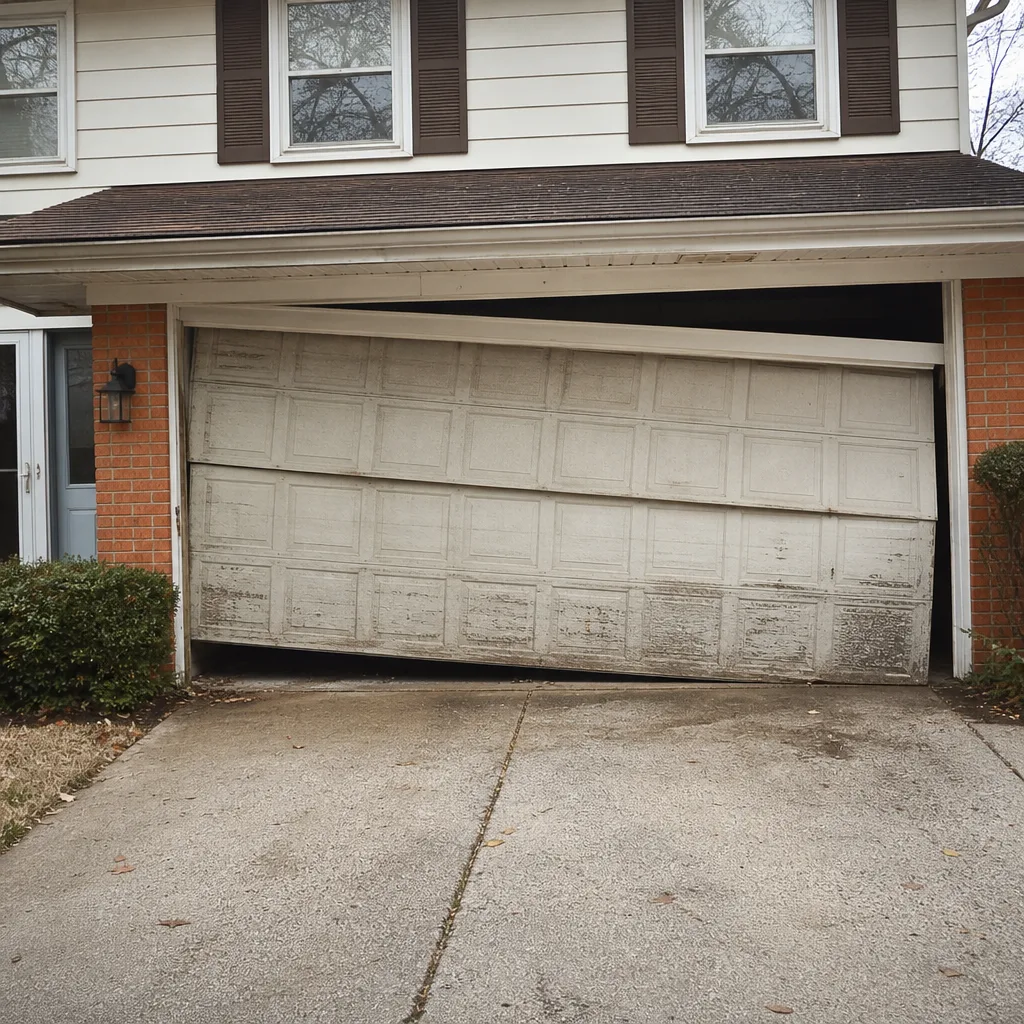 Before
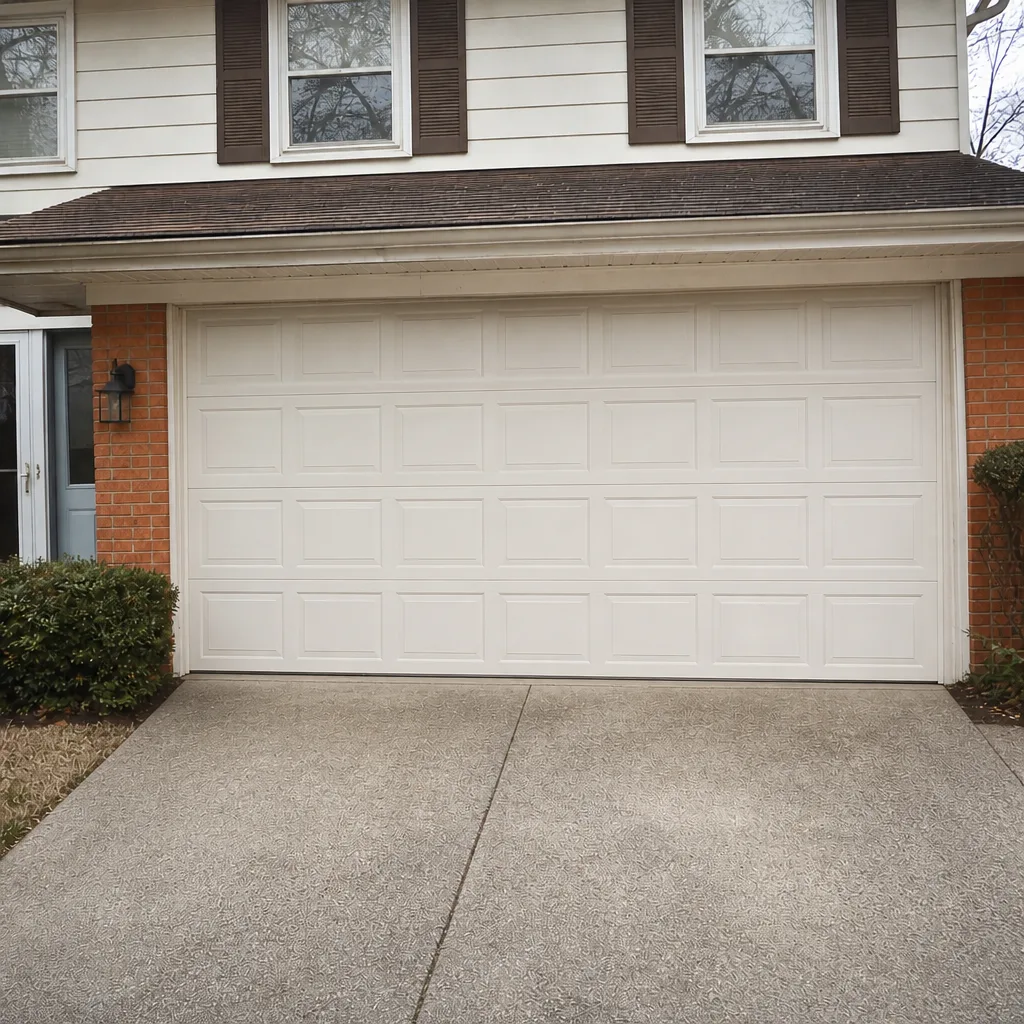 After
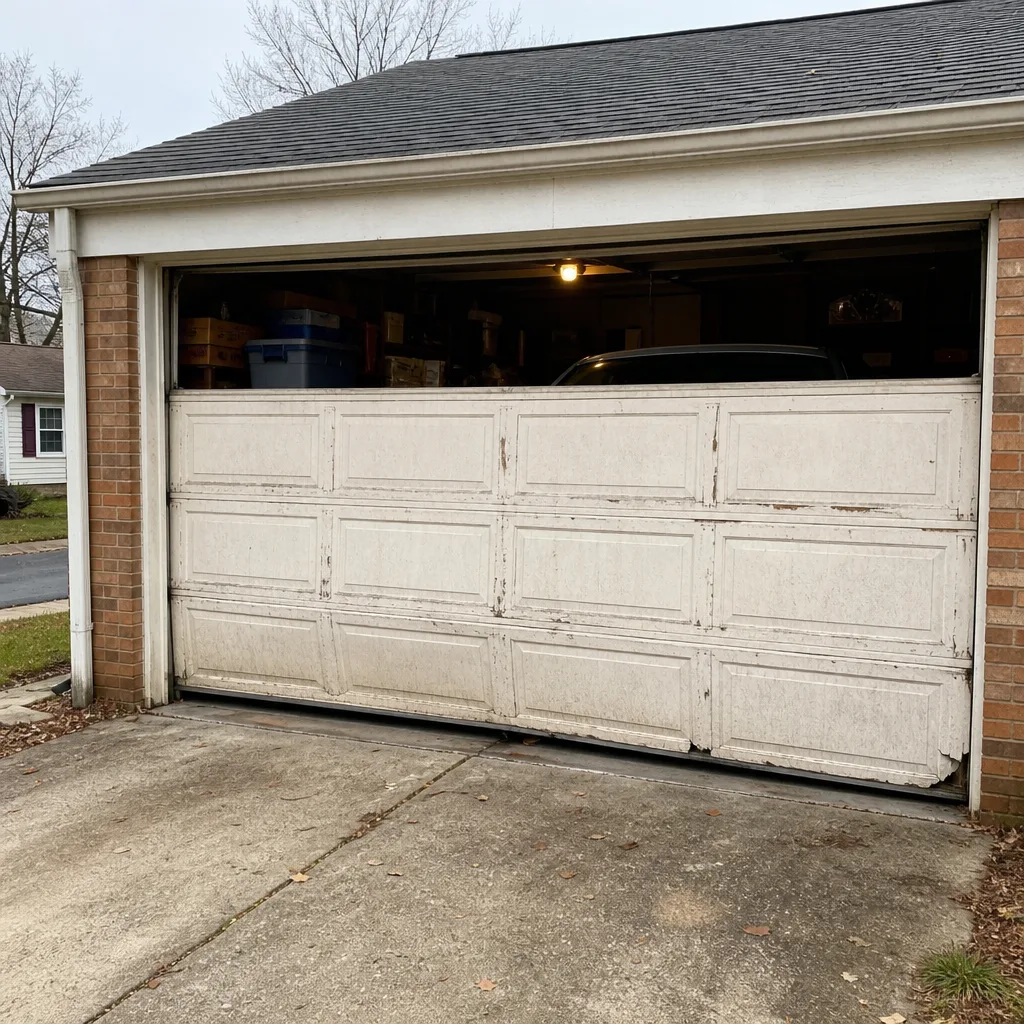 Before
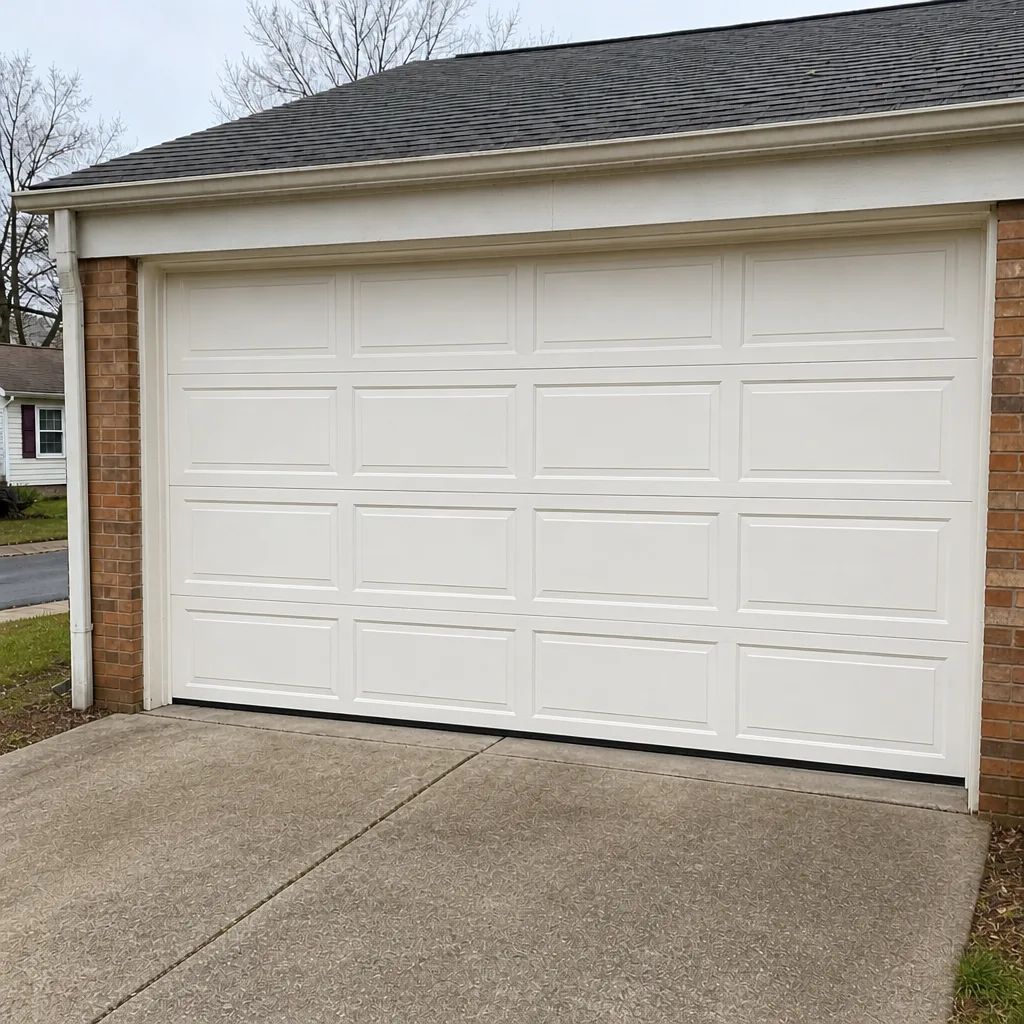 After
Common Mistakes to Avoid
- Pulling the release cord with the door partly open. The trolley isn’t designed for that tension, and it’s the most common way homeowners bend the carriage and turn a five-minute job into a repair call.
- Forcing the door up by hand when a spring is broken. A broken spring turns the door into a dead weight, and it will come down once your arms tire or your feet slip.
- Assuming the door will hold itself up. It won’t. Clamp the track on both sides before you drive out.
- Leaving the trolley disengaged after the outage. Once the power is back, re-engage the release. Running the opener with the trolley loose can strip the motor or bend the carriage.
- Using a broomstick or a shoulder to prop the door. Neither one is secure. A real clamp on the track is the way to hold it.
- Pulling the cord at an angle or with a yank. Straight, steady pressure disengages the trolley cleanly. A yank can bend the release arm and leave you stuck worse than before.
- Ignoring a door that’s been sitting unused for a season. The manual release on a door nobody has touched in a year can seize, and the spring can lose tension. Check both before the storm, not during it.
In a town where power goes out during storm season, a little preparation in fair weather is worth a great deal in foul weather. If any of the checks above turns up a problem, that’s the moment to book a Burke Garage Door Repair Pros technician, not after the car is behind a door that won’t move.
When to Call a Professional
Call a professional when a spring is broken, when the door is stuck or off its track, when it won’t close and your home is unsecured, when a vehicle is trapped behind a door you can’t safely lift, or when the manual release won’t work and forcing it risks damaging the carriage. If you’ve done the balance test and the door drops instead of holding, that’s a professional visit too, before it strands you. Our technicians have up to 12 years of experience with the systems Burke homeowners actually have, including LiftMaster, Chamberlain, Genie, Clopay, Amarr, Wayne Dalton, Craftsman, and Raynor. We handle the spring, opener, panel, or full door in one call, and we quote the price and agree it with you before any work starts. Burke Garage Door Repair Pros offers free estimates in Burke, and our emergency service is built for the moments that can’t wait. Call (888) 340-6306.
Frequently Asked Questions
Pull the red manual release cord hanging from the trolley on the opener rail, then lift the door by hand and clamp the track on both sides before you drive out. Release the door with it fully closed for the cleanest disengagement, and re-engage the trolley once the power returns. If the door is unusually heavy or won’t lift, a broken spring is the likely cause, and you should call (888) 340-6306 rather than force it.
No. A door with a broken spring has no counterbalance, so manual lifting means raising the entire door’s weight, and the door won’t stay up once raised. A door that drops while you’re beneath it is a serious hazard. Leave it closed and call for emergency service; our technicians handle spring work as a routine call, not a heroic one.
It’s a cord with a red handle hanging from the trolley carriage on the opener rail, usually above the center of the door. On most LiftMaster and Craftsman models you can reach it from the floor. Pull straight down, not at an angle, to disengage the trolley. If you can’t find it, check the opener housing label for the model number and look up the diagram, or call us and we’ll tell you where to look.
Most emergency repairs in the Burke area fall into typical ranges rather than a single fixed price: a broken spring replacement is commonly estimated in the low-to-mid hundreds for one spring, with a matched pair costing roughly twice that, and opener repairs usually in a similar range. Off-track or panel repairs vary more. The written estimate sets the final price, and you’ll have a quote you agreed to before any work starts. Call (888) 340-6306 for an exact quote; estimates are free.
Have your opener brand and model, what the door is doing, whether a spring is visibly broken, whether a vehicle is trapped, and whether the garage is currently unsecured. That information lets us route the call correctly and get a technician out with the right parts. If the door is stuck partly open, say so first; that’s the security priority.
Check that the manual release trolley has been re-engaged, then check the opener’s power and reset button. If the door lifted by hand fine before the outage and now won’t run, the opener itself may have failed, which is a separate repair from a door problem. Call (888) 340-6306 and describe what the opener is doing and we can point you in the right direction.
The Bottom Line
A garage door that won’t open in a power outage is manageable if you’ve prepared for it and dangerous if you haven’t. The core skills are simple: find the release cord, pull straight with the door down, lift by hand, clamp the track before you drive out, and re-engage once the power is back. The one thing that undoes all of it is a broken spring, because a door without counterbalance won’t lift and won’t stay up. Do the balance test and the release test before storm season, keep a clamp and a flashlight in the garage, and know when to call for emergency service rather than force the door. That’s the whole plan, and it takes about ten minutes.
If anything in this guide sounds like your door, or you’d rather have a professional walk through it with you, we’re here. Call (888) 340-6306 for a free estimate. Garage door specialists, nothing else, and we work on the brand you already have.
Written by the team at Burke Garage Door Repair Pros.