Last updated November 23, 2026
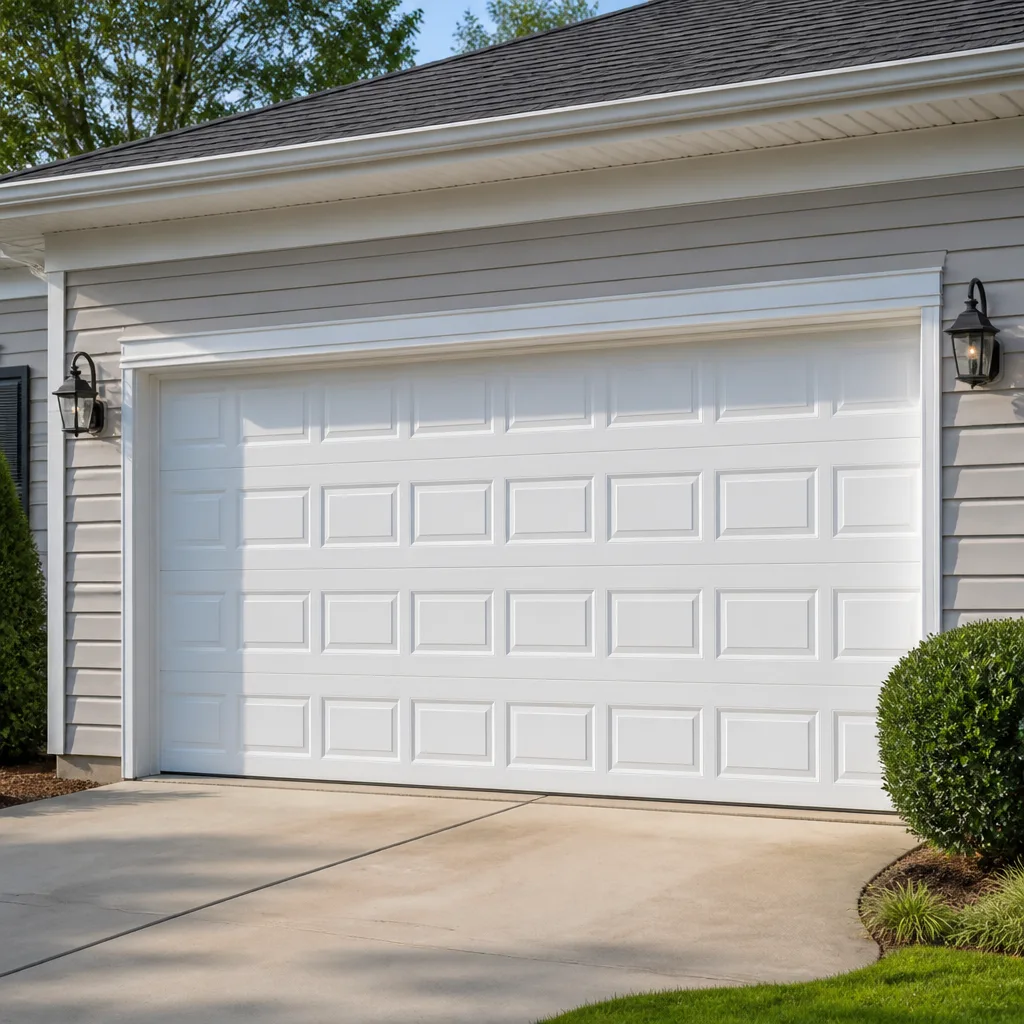 Raised-panel steel
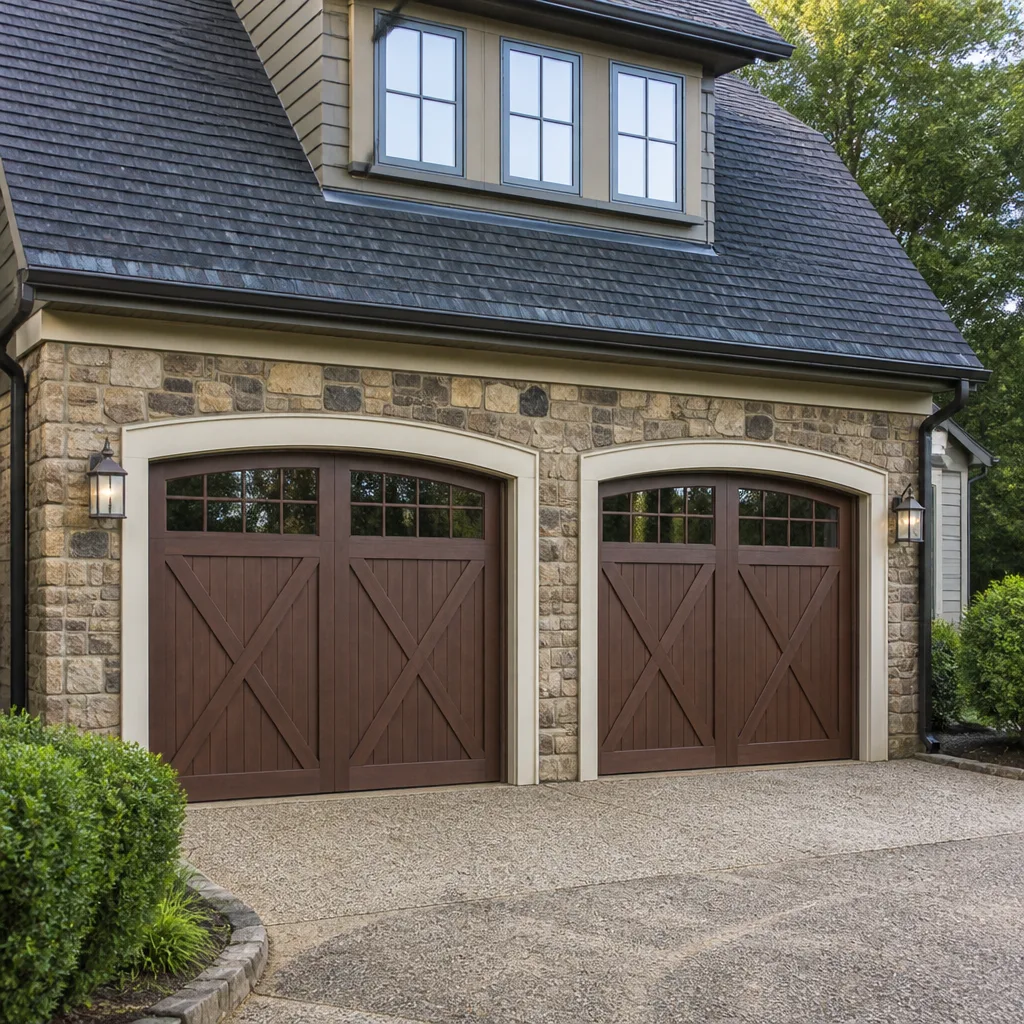 Carriage house
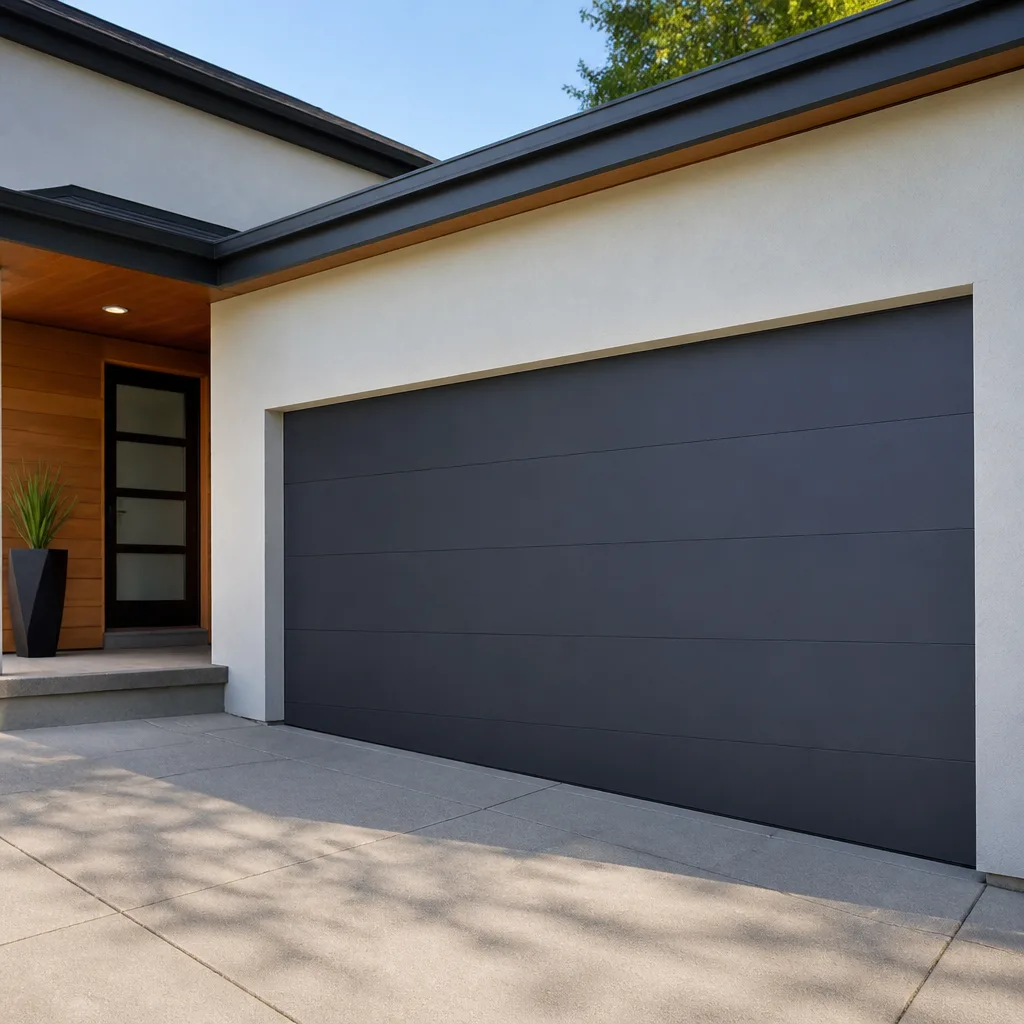 Modern flush
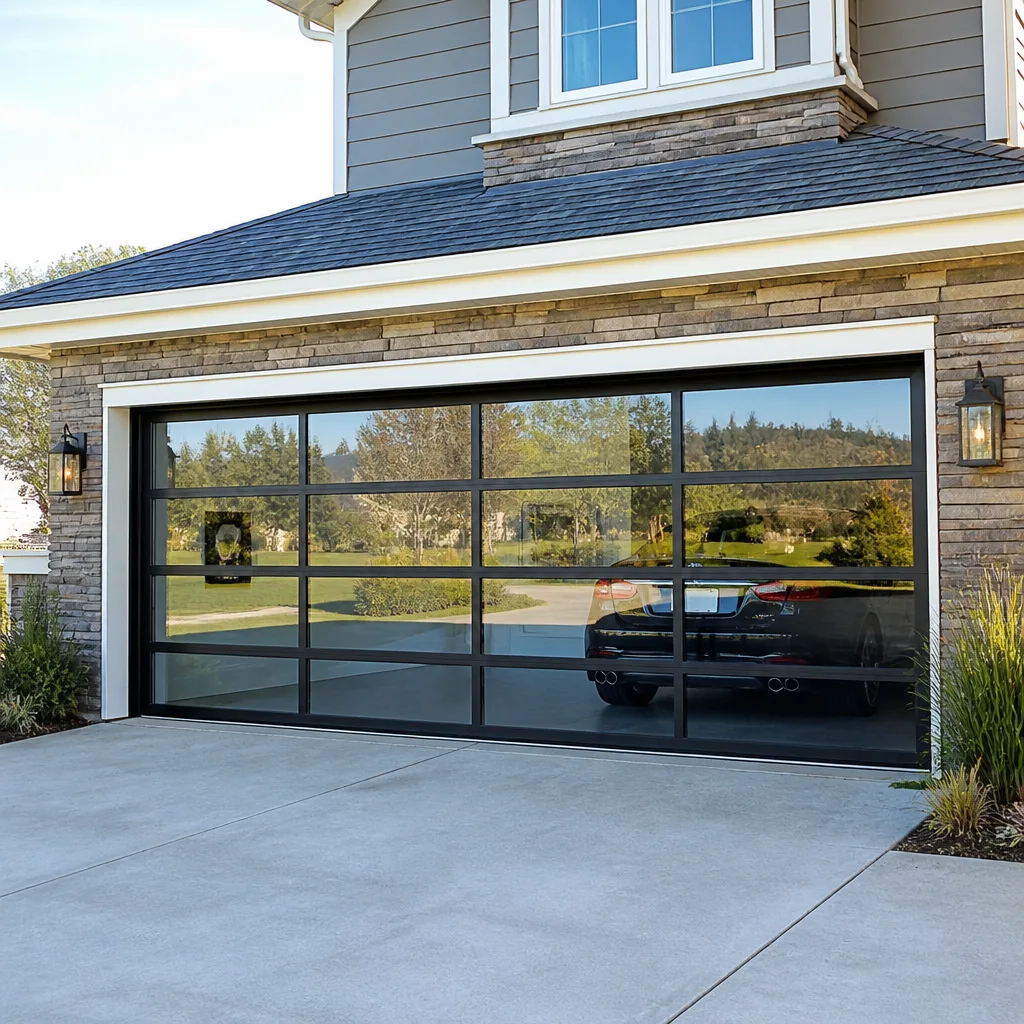 Full-view glass
 LiftMaster openers
 Chamberlain openers
Full 25-point door and opener safety check with every visit - springs, cables, rollers, tracks, and your LiftMaster or Chamberlain opener included
You get a price before we start. It does not change when the pro arrives.
Get your free estimateSeasonal Garage Door Care for Burke: Year-Round Homeowner’s Guide
Most garage door advice assumes deep snow and hard freezes. Burke doesn’t work that way. Our winters are mild enough that few homeowners bother winterizing anything, yet cold enough that steel contracts, grease stiffens, and rubber seals turn hard as a board. That in-between climate is exactly what catches people off guard. The failures we get called about in Burke cluster around two windows: late October, when the first real cold snap lands, and early March, when the freeze-thaw cycle finally lets go. This guide walks you through what each season actually does to your door and what to check before it does it. We’ll cover the tasks that matter here, the ones that don’t, and the two fall jobs Burke homeowners skip that send most winter emergency calls our way.
Quick Answer
Garage doors in Burke fail most often during temperature transitions, not during the coldest week of the year. The two highest-value seasonal tasks are checking cable tension and weatherseal condition in late fall, before the first freeze, and inspecting rollers, cables, and the bottom seal in early spring after ice and road salt have done their work. Everything else on a seasonal checklist is secondary to those two.
Styles & brands we work with
- Raised-panel steel
- Carriage house
- Modern flush
- Full-view glass
- LiftMaster openers
- Chamberlain openers
Table of Contents
- Why Burke’s Climate Stresses Doors Differently
- Fall: Before the First Freeze
- Winter: Cold Mornings and Stubborn Doors
- Spring: The Post-Winter Inspection
- Summer: Heat, Logic Boards, and Phantom Reversals
- The Two Fall Tasks Burke Homeowners Skip
- A Year-Round Maintenance Calendar for Burke
- Brand Notes: Clopay, Amarr, Wayne Dalton, and Craftsman
Why Burke’s Climate Stresses Doors Differently
Garage doors are mostly steel, rubber, and grease, and all three react to temperature. In a climate with sustained deep cold, everything stays contracted and stiff for months, and homeowners expect it. Burke sits in a band where the temperature swings hard and often. A January week can run from the low teens to the high fifties and back again, and every one of those swings works the metal slightly.
That cycling is the real stressor. Steel expands and contracts with each shift. Torsion springs, which hold the door’s weight under significant load, take the brunt of it. Grease in the rollers and hinges thickens on cold nights and thins on warm afternoons, so lubrication breaks down faster than it would in a stable climate. Weatherseal rubber hardens, cracks, and loses its grip on the door bottom a little sooner each year.
It isn’t only the door. Opener motors work harder when a door is stiff, and the logic board inside the opener sees every extra amp of draw as a signal. That’s part of why we treat garage door opener repair as a seasonal topic, not just a breakdown topic. The motor that fails in February usually started struggling in November.
Housing stock matters too. Burke has a wide mix of home ages, from mid-century ranches to newer construction, and door hardware ages right along with the house. An older Clopay or Wayne Dalton door that’s been through a dozen winters is carrying springs closer to their fatigue limit than the homeowner realizes. Knowing the door’s vintage tells you more about its risk than the calendar does.
Fall: Before the First Freeze
The most useful thing you can do for your garage door in Burke happens in a narrow window: the three or four weeks before the first hard freeze, usually late October into early November. Miss it and you spend the winter reacting instead of preventing.
Start with cable tension. With the door closed, look at the cables running down each side. They should be taut and even, with no fraying, kinks, or slack on one side. Loose or uneven cables mean the door is lifting unevenly, which overloads one spring and one side of the track. A cable that’s already showing strands will not survive a winter of thermal cycling. This is a visual check only; adjusting cable tension is not a homeowner job, and we’ll explain why below.
Then assess the weatherseal. A seal that won’t survive another winter usually shows it in fall. Run your hand along the bottom rubber and look for:
- Hard, brittle rubber that cracks when you bend it
- Gaps between the seal and the floor, especially at the corners
- Visible daylight under a closed door
- Tears or chunks missing at the edges
- Seal that has pulled away from the aluminum retainer
If any of those are present, the seal needs replacing before cold weather locks it in place. A failed bottom seal lets cold air and moisture under the door, which is the start of the ice problem we’ll get to in the spring section.
Lubricate moving parts. Hinges, rollers, and the spring coils benefit from a proper garage door lubricant, not WD-40. Do this on a mild afternoon so the lubricant settles before the first cold night. Wipe off excess so grit doesn’t collect.
Test the safety reverse. Put a roll of paper towels under the closing door. It should reverse on contact. If it doesn’t, the opener’s force settings need attention, and that’s a job for a technician, not a guess.
Homeowners in Burke who handle these four items in late October avoid most of what we get called about in January.
Winter: Cold Mornings and Stubborn Doors
A door that won’t open on a cold Burke morning is one of the most common winter calls we get. There are three usual causes, and knowing which one you’re facing saves time.
Cause one: stiff grease and frozen rollers. Cold thickens lubricant and stiffens the roller bearings. The opener has to work harder to lift the door, and its force sensor may read the extra resistance as an obstruction and stop or reverse the door. The fix is usually lubrication and a force-setting adjustment, not a new opener.
Cause two: a spring at the end of its life. Torsion springs are rated in cycles, not years, and cold makes them more brittle. A spring that’s been weakening all fall often breaks on the first genuinely cold morning. If the door won’t lift at all, or lifts a few inches and stops, a broken spring is the likely culprit. Do not try to force it. A door with a broken spring is held up only by the opener, and the opener isn’t built for that load. This is a case for garage door spring repair, and it’s also the single most dangerous repair in the trade.
Cause three: ice bonding the seal to the floor. Meltwater runs under the door and refreezes overnight, gluing the bottom seal to the concrete. The door won’t budge until the bond breaks. A healthy, pliable seal and a properly sloped apron reduce this; a cracked, flat seal makes it worse.
What to do on a cold morning when the door won’t open
- Disconnect the opener using the manual release cord so you’re not fighting the motor.
- Try lifting the door by hand, a few inches only. If it’s extremely heavy or won’t move, stop. That points to a spring problem.
- If the door lifts by hand but the opener won’t run it, the issue is the opener’s force sensing or a frozen roller, not the springs.
- If ice is the problem, break the bond gently with a plastic scraper, never a metal tool or hot water.
- If the door still won’t operate normally, stop and call. Forcing a stiff door in cold weather turns a small problem into a spring break.
One note on spring tension in cold weather: springs are engineered for a specific balance at a specific temperature, and the balance point shifts as metal contracts. A door that felt perfectly balanced in October can feel heavy in January without anything being wrong. But a door that feels heavy and also won’t stay up on its own has a real problem. If it can’t wait, our emergency service is built for exactly this, and you can reach us at (888) 340-6306.
Spring: The Post-Winter Inspection
Early March is the second failure window in Burke, and it’s the one most homeowners miss. Winter doesn’t just stress the door on the way in; it leaves damage behind, and the first warm days expose it.
Rollers first. Cold weather stiffens roller bearings, and a season of that wears them. Look at each roller where it meets the track. A worn steel roller will be flat-spotted or noisy. A worn nylon roller will be cracked or chipped. Rollers are cheap to replace and expensive to ignore, because a seized roller chews up the track.
Cables next. Winter cycling works cables back and forth, and the ends at the drum are where wear shows first. Frayed strands, a cable sitting unevenly on the drum, or a cable with slack on one side are all signs it’s time to have them looked at. This is a check, not a do-it-yourself repair.
The bottom seal after ice and salt. Road salt tracked into the garage and ice bonding to the floor both take a toll on the bottom seal. Inspect for:
- Cracks along the fold where the seal meets the retainer
- Torn or missing sections at the door edges
- A seal that’s flattened and no longer touching the floor
- Salt residue or corrosion on the aluminum retainer behind the rubber
A seal damaged over winter lets water in during the spring rains, which is when moisture problems in a Burke garage usually start. If the seal is torn or flattened, replace it before the rainy season.
Balance test. With the door disconnected from the opener, lift it halfway and let go. It should hold there. If it drops or rises on its own, the springs need adjustment or replacement. This is the clearest early signal that garage door repair is due before summer heat adds more stress.
Summer: Heat, Logic Boards, and Phantom Reversals
Summer problems in Burke are less about the door and more about the opener. Heat does two things that cause trouble.
First, it expands the metal in the track and the door, which can change the door’s travel slightly. A door that ran cleanly in April may start to bind or rub in July.
Second, and more importantly, heat stresses the opener’s logic board and its force sensors. When a door auto-reverses without an obstruction in high temperatures, the usual cause is the opener interpreting heat-related resistance as an obstacle. The safety system is doing its job; it’s just getting bad information.
What to check when the door reverses for no reason:
- Look for anything in the door’s path, including a small toy or a leaf that fell on the safety sensor lens.
- Wipe the safety sensors at each side of the door. Dust and spider webs in summer cause false triggers regularly.
- Check that the sensors are aligned and the indicator lights on each are solid, not flickering.
- Confirm the door moves freely by hand with the opener disconnected. If it’s stiff, the door is the problem, not the sensors.
- If the door is stiff in summer heat, have the springs and rollers checked before the opener’s force settings are touched.
If the door moves freely and the sensors are clean, the problem is usually in the opener’s force setting or the logic board. On a Genie or LiftMaster system, that’s a technician adjustment; on an older Craftsman opener, it may be a sign the unit is near the end of its service life. Either way, we work on the brand you already have, and we’ll tell you honestly which it is.
Summer is also the best time to schedule non-emergency work, like a new door or a full opener replacement. There’s no urgency, the weather cooperates with installation, and you’re not competing with winter breakdown calls. If a Burke garage door specialist is going to be at your house, it may as well be on a nice day.
The Two Fall Tasks Burke Homeowners Skip
If we had to name the two reasons most winter emergency calls happen in Burke, they’d be these.
Skipping the cable and spring inspection because the door “seems fine.” Garage doors don’t fail suddenly in most cases; they fail after weeks of small, invisible changes. A cable that’s been slowly fraying since September looks fine on a mild October day. The first cold morning is when it snaps. A ten-minute visual check in late October catches what a January emergency call can’t. It’s the cheapest maintenance you can do, and it’s the one most homeowners never do because nothing feels wrong yet.
Skipping weatherseal replacement because it’s “just a piece of rubber.” A hardened, cracked seal isn’t cosmetic. It’s the front line against the ice that bonds doors to the floor, the moisture that damages the retainer, and the cold air that stresses everything inside your garage. Replacing a bottom seal is quick and inexpensive compared to the repair it prevents. Late fall is the right time, before cold weather makes the rubber stiffer and harder to work with. Homeowners who replace a worn seal in October avoid most of the frozen-door calls we get in January.
A Year-Round Maintenance Calendar for Burke
Here’s the schedule we’d give any Burke homeowner with a garage door they want to keep working. None of these tasks take long, and none of them require special tools.
- Late October: Inspect cables for fraying and slack. Check weatherseal for cracks and gaps. Lubricate hinges, rollers, and springs. Test the safety reverse.
- January: Listen for new noises when the door runs. If the door feels heavy or won’t stay up, stop using it and call.
- Early March: Inspect rollers for wear and flat spots. Check cables for winter damage. Inspect the bottom seal for cracks, tears, and salt corrosion. Do the balance test.
- June: Clean the safety sensors and lenses. Check for summer heat-related auto-reversals. Schedule any non-emergency work.
- August: Recheck the opener’s force settings if the door has gotten stiff in the heat. Lubricate moving parts again if the spring tasks were missed earlier.
- Any time: If the door makes a loud bang from the springs, stops mid-travel, or won’t respond to the opener, stop using it and call.
That’s the whole schedule. Most of it is looking and listening, which is why it works.
Brand Notes: Clopay, Amarr, Wayne Dalton, and Craftsman
Brand doesn’t change the seasonal schedule, but it does change what to look for. We work on Clopay, Amarr, Wayne Dalton, Craftsman, and several other major brands, and each has its quirks.
Clopay and Amarr doors are common in Burke and often have aluminum bottom retainers. The weatherseal slides into a channel in that retainer, and if the retainer is bent or corroded, the new seal won’t seat properly. Check the retainer, not just the rubber, when you’re inspecting the seal.
Wayne Dalton doors sometimes use unique spring and cable configurations, which matters if a spring breaks. We keep the door brand in mind when we quote, because the repair isn’t always the same as on a standard door.
Craftsman openers are everywhere in Burke, and older units have a reputation for force-sensor issues in summer heat. If your Craftsman opener starts auto-reversing in high temperatures, the door is worth checking before you replace the opener. We handle opener repair on all these systems, so there’s no pressure to switch brands.
Common Mistakes to Avoid
- Assuming a mild winter means no winterizing. Burke’s winters are mild enough to skip winterizing and cold enough to make skipping it costly. A late-October inspection is worth more here than in a climate with obvious deep freezes.
- Adjusting cable tension yourself. Cables are under extreme tension and can cause serious injury if they slip or snap. Visual inspection only. Tension work is a trained-professional job.
- Using WD-40 as garage door lubricant. It thins out and evaporates, and it attracts grit. Use a proper garage door lubricant on hinges, rollers, and springs.
- Forcing a door open on a cold morning. If it won’t budge, something is wrong. Forcing it can snap a spring or damage the opener. Release the door manually, check for ice, and call if it’s still stuck.
- Replacing the opener when the door is the problem. Opener force sensors fail in response to door resistance. If the door is stiff, a new opener will struggle too. Diagnose the door first.
- Ignoring small seal damage. A cracked seal in October lets in the meltwater that freezes in January. Replace it before the cold makes it worse.
- Skipping the post-winter inspection. Winter damage to rollers, cables, and seals doesn’t announce itself. An early-March check is the cheapest way to catch it before it becomes a repair.
See the difference
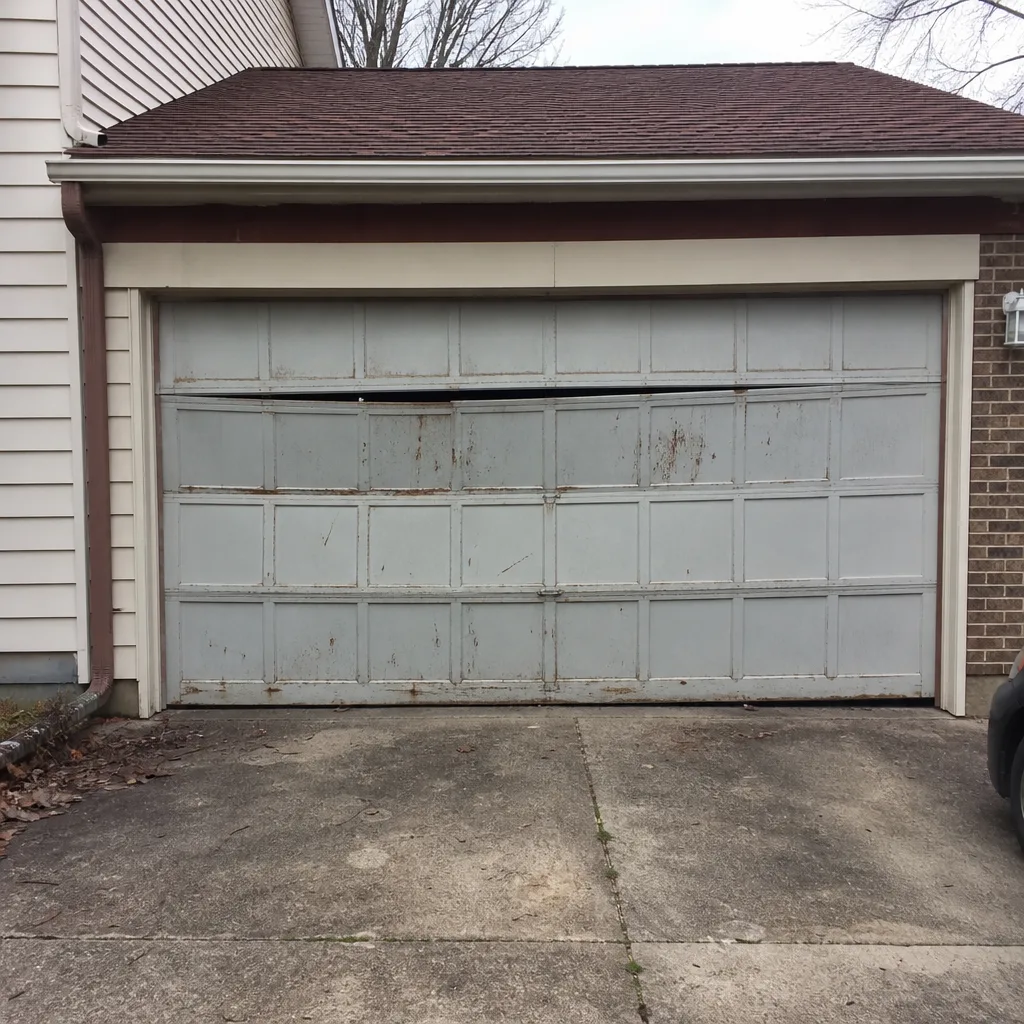 Before
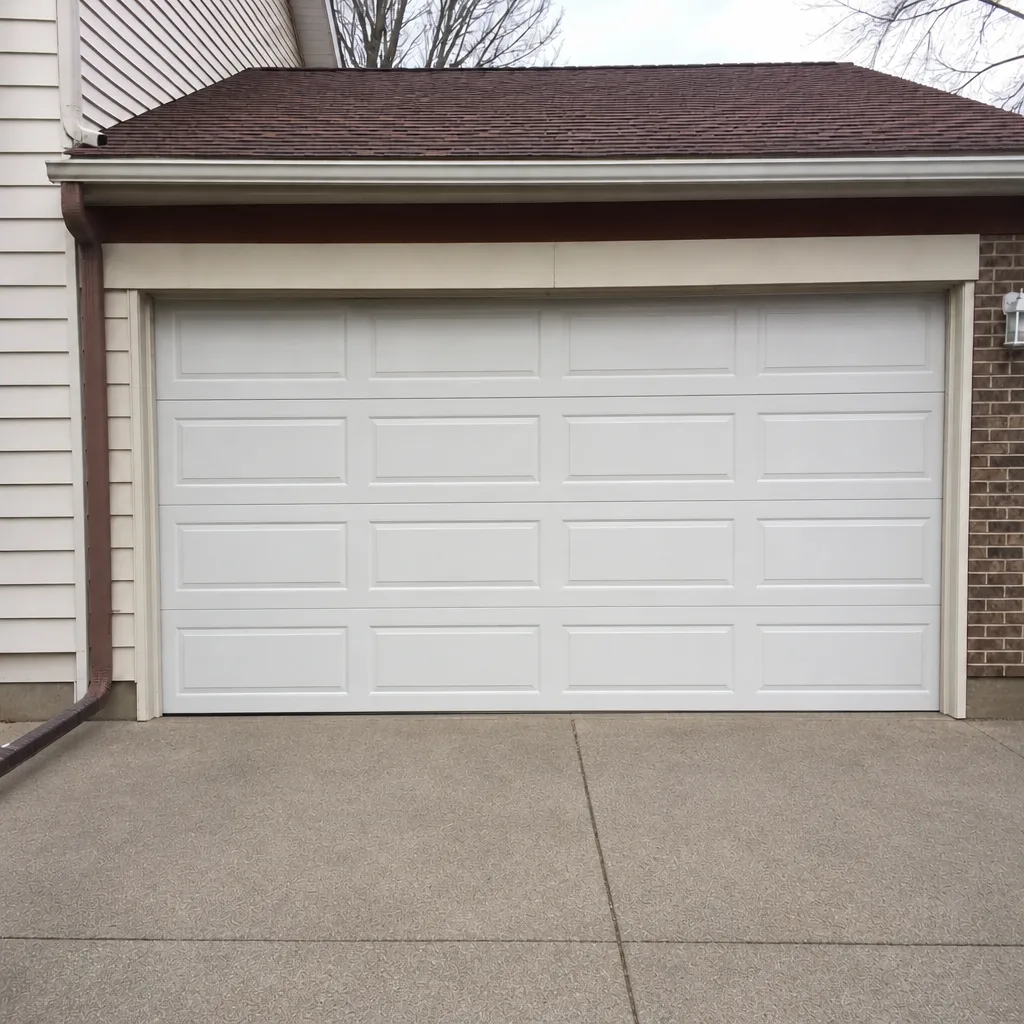 After
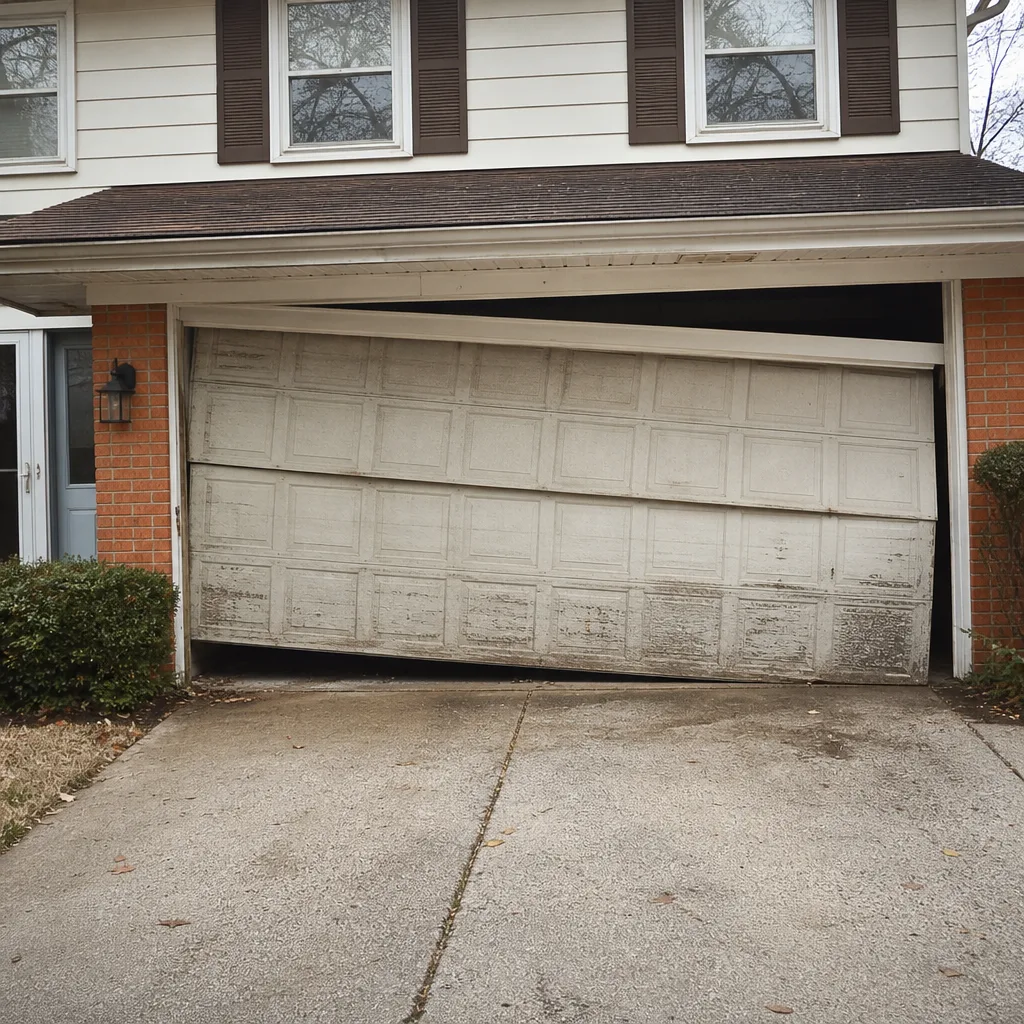 Before
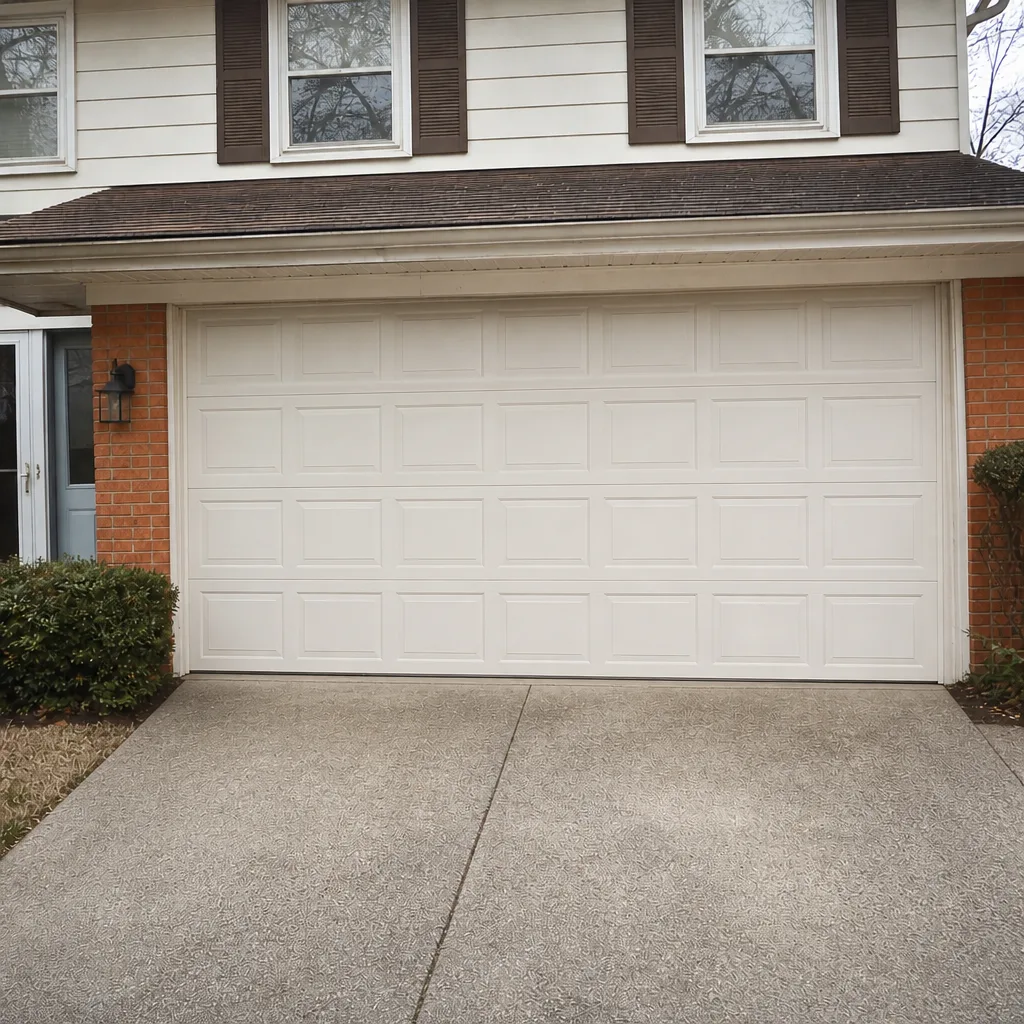 After
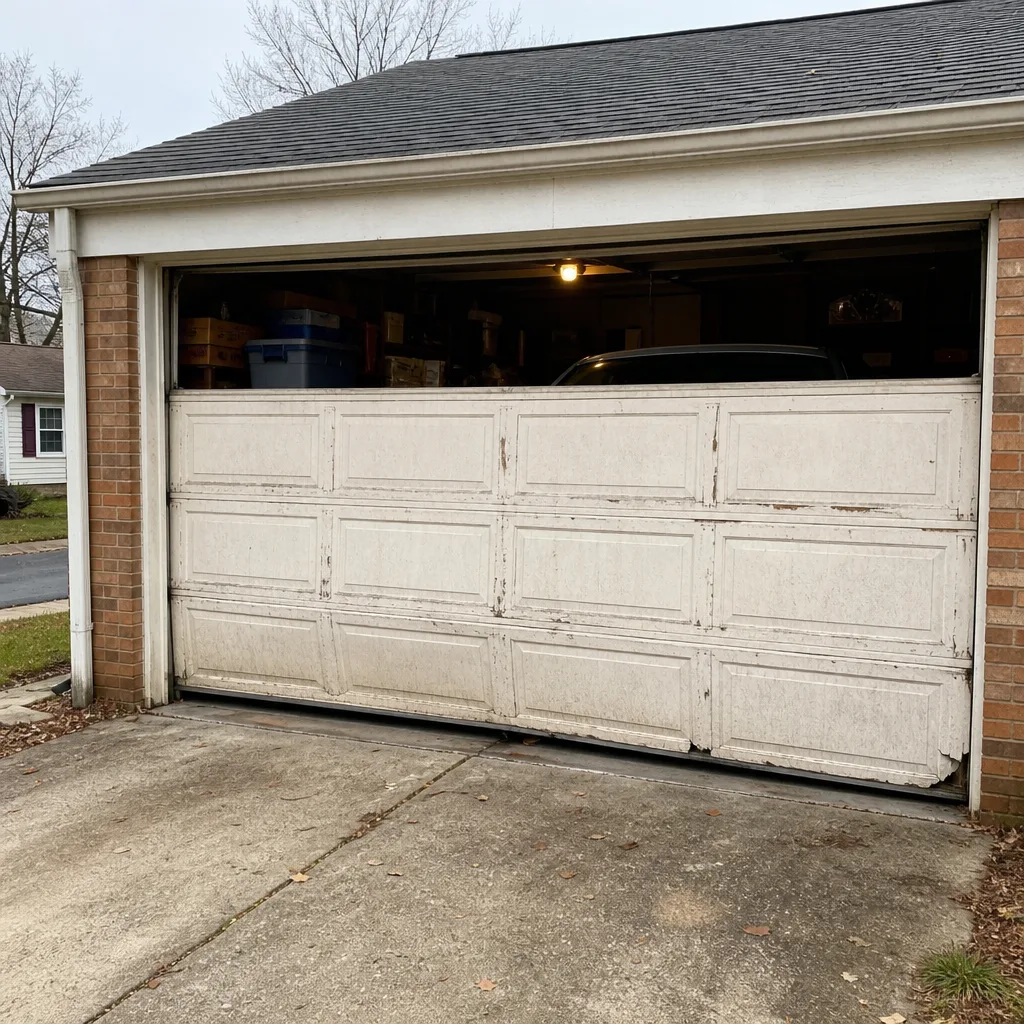 Before
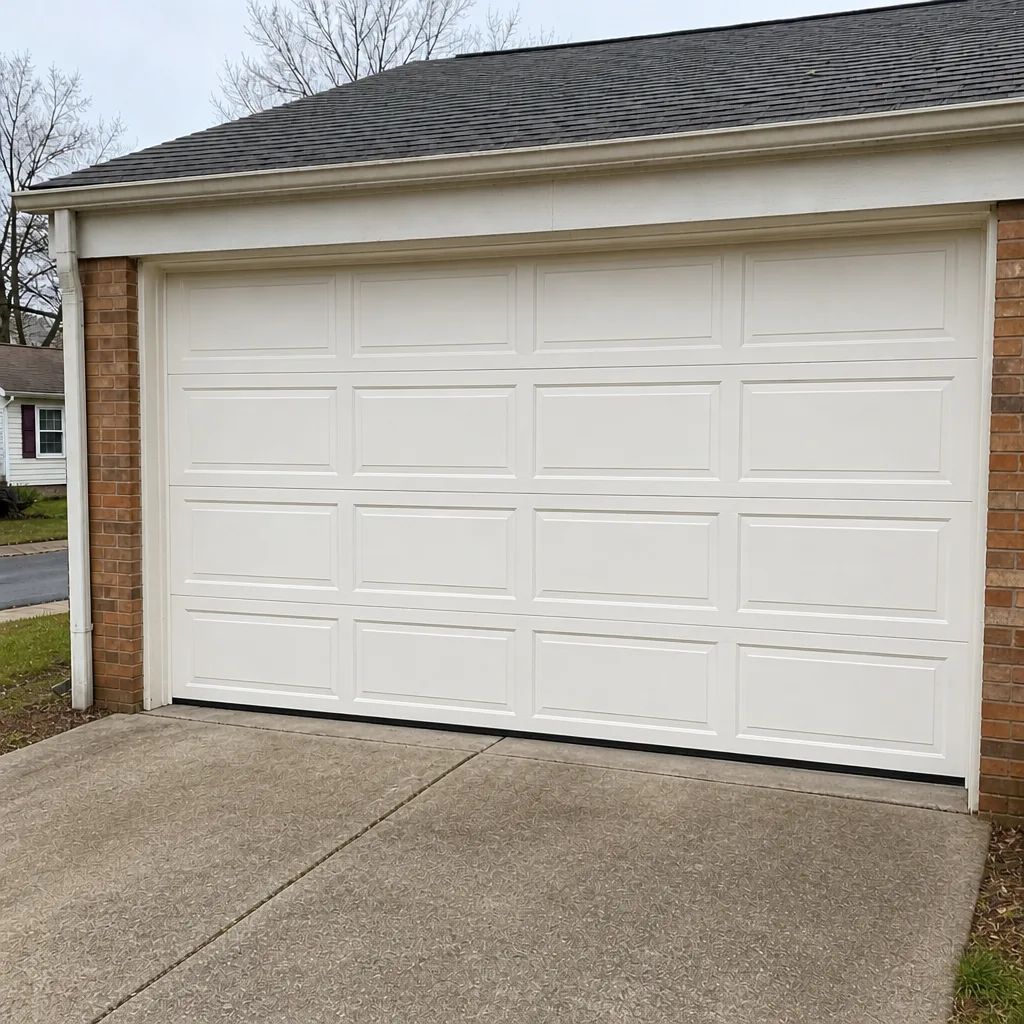 After
When to Call a Professional
Call when a spring breaks, when the door won’t stay up on its own, or when it lifts unevenly. Call when a cable is frayed, kinked, or sitting off its drum. Call when the door auto-reverses without an obstruction and cleaning the sensors doesn’t fix it. Call when the opener strains, chatters, or fails to lift a door that moves easily by hand. And call if you’re simply not sure what you’re looking at, because a technician can tell you what’s safe and what isn’t in a few minutes. Burke Garage Door Repair Pros offers free estimates in Burke. Call (888) 340-6306. Spring, opener, panel, or full door, we handle it, and the local professional we connect you with is licensed and insured as the state requires.
Frequently Asked Questions
The best time is late October, before the first hard freeze, with a follow-up inspection in early March. Those two windows line up with the temperature transitions that cause most garage door failures in Burke. Scheduling outside those windows is fine, but the fall and spring checks matter most because that’s when problems are cheapest to catch.
Winter in Burke brings enough cold to stiffen grease, harden rubber seals, and make metal contract, without the deep freeze that would push homeowners to winterize everything. That in-between state causes failures at a higher rate than people expect. Springs break, opener motors strain, and doors freeze to the floor more often from December through February. Call (888) 340-6306 if your door is struggling on cold mornings.
No. A door with a broken spring is supported only by the opener and the remaining spring, and that load is dangerous. Stop using the door, keep it closed if possible, and call for spring repair. Do not attempt to lift it manually beyond testing whether it moves. This is the most dangerous repair on a garage door, and it’s not a homeowner job.
Heat causes the opener’s force sensors to read normal resistance as an obstruction, so the safety system reverses the door. It’s common in Burke’s summer heat, especially on older openers. Clean the safety sensors first, then check whether the door moves freely by hand. If it does, the opener needs adjustment; if it doesn’t, the door needs service. Call (888) 340-6306 for an exact quote, and estimates are free.
No, the seasonal schedule is the same, but the weatherseal check matters more on Clopay and Amarr doors because their aluminum bottom retainers can bend or corrode. If the retainer is damaged, the new seal won’t seat, so have both inspected together. We work on the brand you already have and handle these checks as part of routine service.
No. The price is quoted and agreed before any work starts, so the estimate you approve is the price you pay for that work. We diagnose first, give you a written estimate for the repair, and you decide whether to proceed. Call (888) 340-6306 for a free estimate on any garage door issue in Burke.
The Bottom Line
Garage doors in Burke fail on temperature swings, not on the calendar’s coldest day, which is why late October and early March matter more than January. Inspect cables and weatherseal before the first freeze. Check rollers, cables, and the bottom seal after winter lets go. Watch the opener’s behavior in summer heat. Skip the two fall tasks most homeowners skip, and you dodge most of the winter calls we get. If your door is already struggling, don’t wait for the next transition. Call (888) 340-6306 for a free estimate, and we’ll help you get back up and running.
Written by the team at Burke Garage Door Repair Pros.